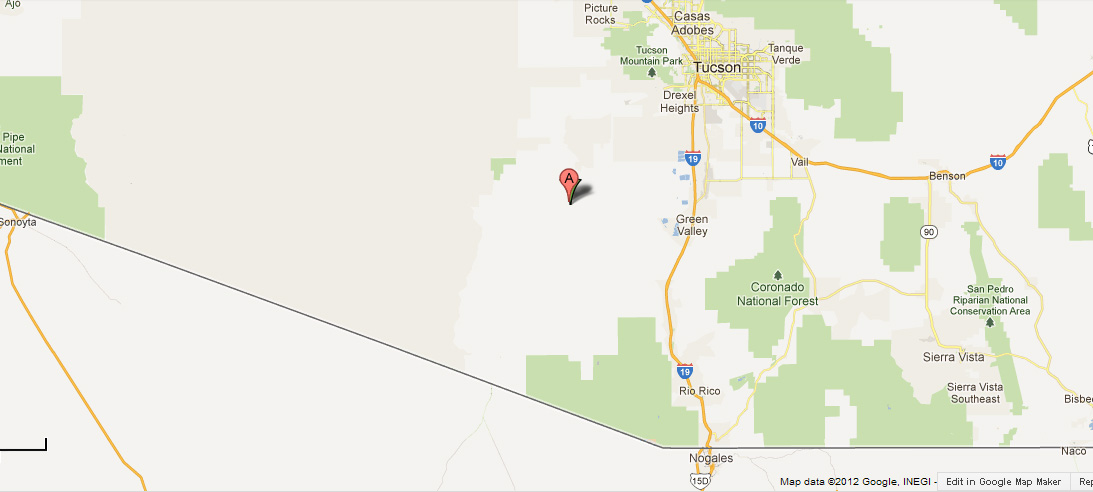
In the summer of 2010, a young woman named Begonia Tapia Martinez, aged 20, embarked on a journey with hopes of reaching New York. Her travels began in Cananea, Sonora, Mexico, and led her to the vast and often perilous expanse of the Arizona desert. On June 27, 2010, she was last seen crossing the border into the United States. Begonia, a Hispanic female with brown hair and brown eyes, stood between 5'0' and 5'2' tall and weighed between 111 and 131 pounds.
Her family and loved ones awaited news of her safe arrival, but as days turned into weeks, a growing sense of unease began to set in.
The details of what Begonia was wearing on that fateful day offer a glimpse into her final known moments. She was dressed in layers, a common practice for those undertaking such a journey, with a gray blouse that appeared to be inside-out, a light gray hooded sweater, and a black long-sleeve sweater. She wore light blue denim pants and had on brown tennis shoes with velcro closures. Carrying a black backpack, she likely had with her the essentials for her travels. Distinctive scars marked her body: one on her wrist approximately 3 centimeters in length, a one-inch cut scar on her pinky finger, and a cross-shaped surgical scar on one of her knees. These details, while personal, became critical identifiers in the search for the missing woman.
The circumstances surrounding Begonia Tapia Martinez's disappearance are a somber reflection of the dangers faced by many who attempt to cross the U.S.-Mexico border. Her case is being handled by the Pima County Medical Examiner's Office, an agency that investigates a significant number of migrant deaths in southern Arizona. The desert landscape, with its extreme temperatures and challenging terrain, can be unforgiving. For countless families, the journey ends in uncertainty and the pain of not knowing the fate of their loved ones. The overview of this case highlights a story of a young woman who vanished while in pursuit of a different life, her destination of New York remaining an unreached dream. Her case is a poignant reminder of the human element behind immigration statistics and the profound loss experienced by families left behind.Last Seen: Jun 27, 2010