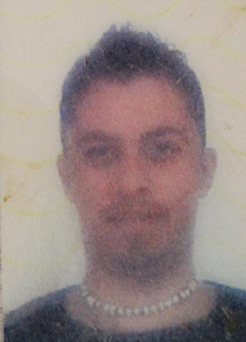
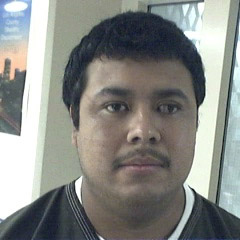
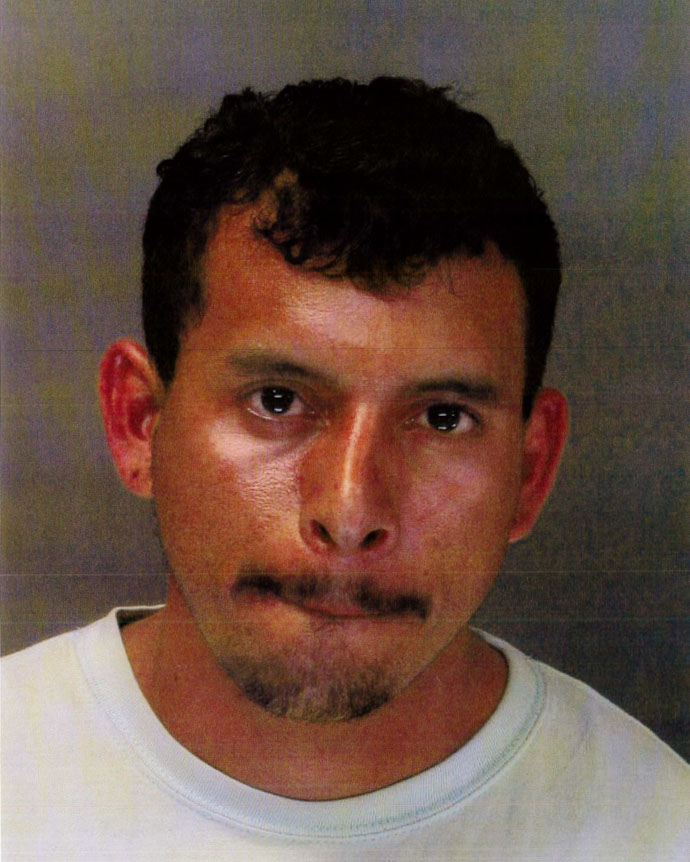
In the vast and often unforgiving landscape of the Arizona desert, a story of uncertainty began to unfold on July 24, 2010. On that summer day, Carlos Patricio Rojo Cruz, a 28-year-old Hispanic man, was last seen near the small border community of Lukeville in Pima County, Arizona. Standing between 5 feet 8 inches and 5 feet 10 inches tall, with a slender build, light brown hair, and light brown eyes, Carlos was at a pivotal moment in his journey.
The last known detail of his whereabouts places him at a vulnerable point, crossing the international border between the United States and Mexico, a trek that holds countless unknown dangers for those who undertake it. His family and authorities were alerted to his disappearance, and a case was reported to the Pima County Medical Examiner's Office in August of that year, marking the official start of a long period of unanswered questions.
Carlos was not an anonymous face in the crowd; he carried with him permanent markers on his skin that told a story of his life and faith. He had a small, two-to-three-centimeter scar just above his navel and another two-centimeter scar below his left eye. More distinct were his tattoos, which were deeply personal expressions. On his right arm, near the shoulder, he wore an image of the Virgen de Guadalupe in black and white, a powerful symbol of protection and identity. Further down on his forearm was an image of La Santa Muerte. The back of his right hand was marked with three simple but meaningful points. These distinctive features create a clearer picture of the man who vanished, offering unique details that could have aided in his identification, yet he seemingly disappeared without a trace into the harsh borderlands.
The circumstances surrounding Carlos Rojo Cruz's disappearance are sparse, leaving much to speculation. The official account simply states he was last seen crossing the border, a brief statement that encompasses a world of potential peril, from the severe environmental conditions of the Sonoran Desert to the risks of encountering dangerous individuals. With no further information publicly available regarding his journey, the means of his travel, or any companions, the trail goes cold at that critical juncture. His case is a poignant reminder of the ambiguous loss experienced by many families whose loved ones go missing in the border region. The overview of the case remains one of profound uncertainty, a narrative of a young man who embarked on a journey and whose fate after that last sighting in Lukeville remains unknown.Last Seen: Jul 24, 2010