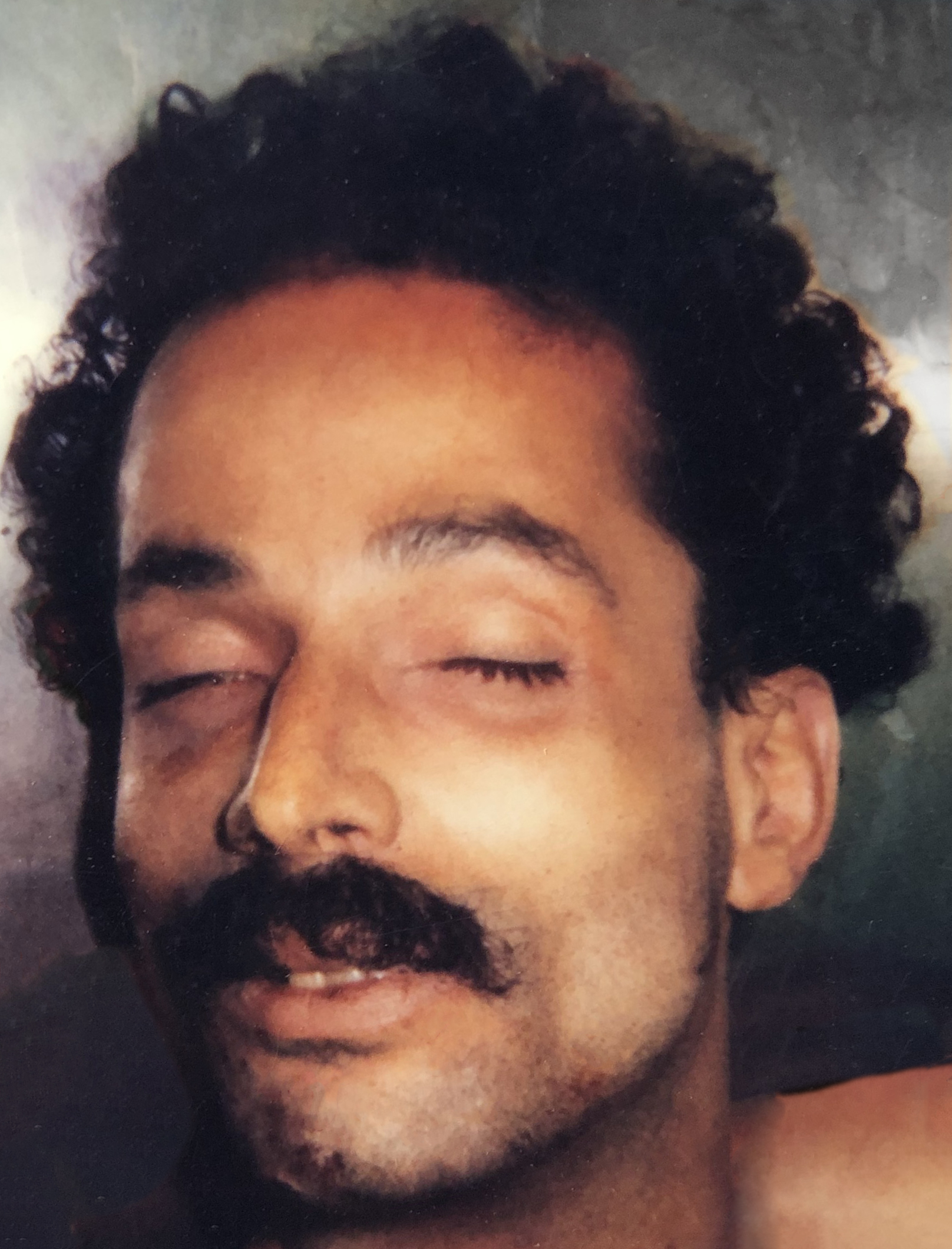
In the late summer of 1985, a sense of unease settled over a family in North Bergen, New Jersey. Seventeen-year-old Jesus A. Cordero, a young man with his life ahead of him, embarked on what seemed to be a routine trip. He left his home with the stated intention of heading to 54th Street in the neighboring town of West New York. He was dressed casually in blue jeans, a white t-shirt, and white tennis shoes.
However, as the hours turned into days, it became tragically clear that Jesus would not be returning home from that short journey. The initial hope that he was simply delayed gave way to the growing dread that something was seriously wrong. His family was left to grapple with his sudden and unexplained absence, a void that would stretch into decades of unanswered questions.
The period immediately following Jesus's failure to return was filled with anxiety and a desperate search for answers. A significant and poignant clue emerged in the form of a note he had left behind. In it, Jesus expressed a need for a change in his life and stated his intention to leave. This discovery shifted the perspective on his disappearance, suggesting that he may have left of his own accord. The note also contained a detail that would both offer a potential direction for the search and add a layer of international complexity to the case: the possibility that he was heading back to Venezuela, his native country. This revelation provided a glimmer of hope that he might be safe, but also presented a formidable challenge for his loved ones and law enforcement in trying to locate him across borders.
The investigation into Jesus Cordero's whereabouts was opened, but the leads were sparse. The note he left was the most substantial piece of evidence, pointing towards a voluntary departure rather than foul play. Law enforcement officials documented his last known movements and the contents of the note, creating a profile of a young man possibly seeking a new start. Despite these efforts, the trail grew cold. The passage of time has done little to erase the lingering questions surrounding his fate. His case remains a painful reminder of the ambiguity and enduring hope that characterizes many missing persons investigations. The central mystery of whether he ever made it to Venezuela, and what became of him if he did, continues to be an unresolved chapter in the lives of those he left behind. The official record of his disappearance serves as a quiet testament to a life interrupted, a story without a final page.Last Seen: Sep 1, 1985