Crime Solvers Central
302 Cases Solved. Advancing justice for missing persons, unsolved homicides, unidentified and unclaimed remains.

Case Description

Any updates on this case? Let us know!
Summary based on the NamUs case record (MP51067) and 3 other sources
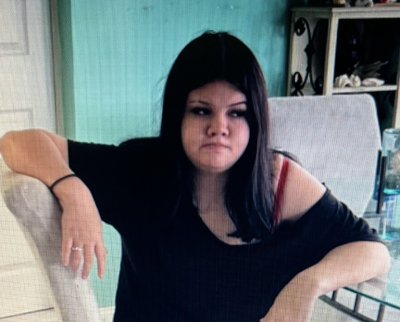
Rita Lyn Schings, aged 35, was last heard from on October 13, 2017, when she contacted her family from the Ocala area in Florida. Living in Scrambletown, Florida at the time, Rita told her family she was attempting to leave her boyfriend but did not provide details on where she was going or how she planned to get there. Her boyfriend later reported that Rita, under the influence of drugs, fled from their home when law enforcement arrived, running into a nearby house before accepting a ride from a man known only as "Old Man Mike." According to unverified reports, while they were traveling on Highway 40, Rita jumped out of the moving vehicle when a police car approached and has not been seen since.

Rita is described as a white female with black hair and brown eyes, standing 5'4" tall and weighing 120 pounds. She has a noticeable tattoo that reads "Beautiful Disaster" on her side and a scar on her neck. At the time of her disappearance, she struggled with methamphetamine addiction, which may have influenced her actions and decisions. Despite efforts to locate her, Rita has never been found, and her case remains unsolved. Authorities, including the Marion County Sheriff's Office, continue to seek information that may help resolve her disappearance.
Last Seen: Oct 13, 2017

Possible Unidentified Matches (1)

Unidentified remains cases whose details are consistent with this person, ranked by how closely they compare. Fields that are unknown in either case are left out of the score.

76%Possible
Unidentified Person — St. Augustine, Florida
UP51945 • Found Dec 6, 2017
View case
Age 85%Est. 30–55 vs 35
Race 100%White
Location 88%55 mi away, same state
TimingFound 8 weeks after last seen
Height 100%5'1"–5'7" vs 5'4"

These comparisons are generated automatically from public NamUs case data and are not confirmed identifications. Only DNA, dental or fingerprint comparison by investigators can confirm an identity. If you believe two cases are connected, contact the agency handling the unidentified case.