

Help 264,913 Cold Cases with True Crime Podcast Picks
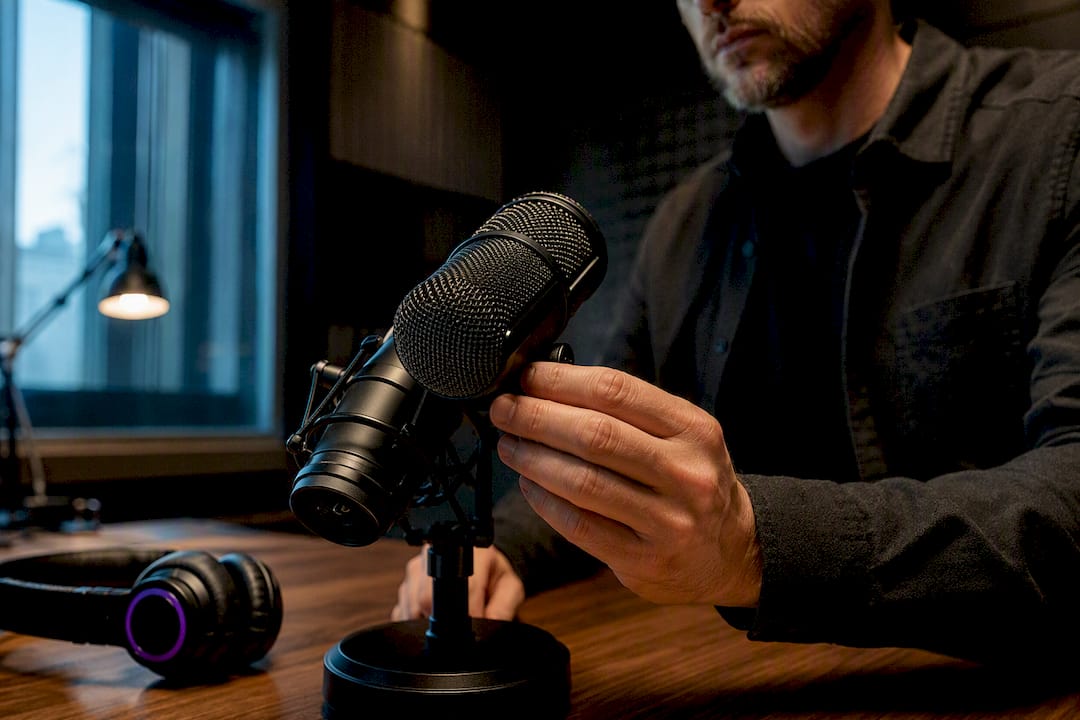
Start with Crime Junkie for tight weekly episodes, Dateline NBC for journalistic depth, and Morbid if you want a host-led, conversational tone. Add COERCED: The Devotion & Death of Mica Francis Miller and Love Trapped for serialized investigations with real production weight, The Truth About Natalie for case-specific reporting, and 48 Hours for archival, documentary-style storytelling. Play one episode from each, then subscribe to whichever format hooks you.
TL;DR:
- Most popular true crime podcasts, like Crime Junkie and Dateline NBC, rely on large audiences, which makes discovering lesser-known shows challenging without specific recommendations.
- Listener-backed ranking sites and active online communities often highlight quality indie shows that are overlooked by platform charts and mainstream rankings.
- When choosing a podcast, consider if you prefer short, episode-contained stories or long, serialized investigations that require a bigger time commitment.
- Supporting cold cases responsibly involves verifying information, reporting to authorities, and using trusted resources like Crimesolverscentral’s case database.
- Ethical listening requires respecting victims and families by avoiding sensationalism, misinformation, or speculative framing, especially for ongoing or graphic cases.
Table of Contents
- What Makes a True Crime Podcast Worth Your Time
- Which True Crime Format Actually Fits Your Listening Habits
- How Do You Find New True Crime Podcasts Beyond the Charts?
- How to Judge Whether a True Crime Podcast Is Worth Subscribing To
- Five Episodes That Are Good Places to Start Listening
- How Listeners Can Support Cold-Case Work Responsibly
- Why Ethical Listening Matters More Than People Admit
- Take Your Interest From Listening to Actually Helping
- Where to Go Next for Discovery and Verification
- Sources
- FAQ
What Makes a True Crime Podcast Worth Your Time
Picking a true crime podcast comes down to matching format to mood, not just chasing whatever tops the charts. Some listeners want a self-contained mystery they can finish on one commute. Others want a slow-burn investigation that unfolds over a dozen episodes. The seven shows below cover both ends of that spectrum, and each one gets a clear best-for tag and a suggested starting point.
-
Crime Junkie is the easiest on-ramp for new listeners. Each episode runs 40 to 60 minutes and covers a distinct case, cold or current, with a fast, narrative pace that doesn’t demand a multi-week commitment. It’s best for listeners who want concise, episode-sized storytelling they can drop into anywhere in the catalog. Start with any recent episode in their catalog that covers a case you already have some familiarity with. It eases you into the show’s rhythm without needing prior context.
-
Dateline NBC brings decades of network investigative reporting into podcast form. The episodes lean on archival footage, original interviews, and courtroom access that a solo indie producer simply can’t match. It’s best for listeners who want journalistically sourced reporting over pure narration. Start with one of their full-length case episodes rather than a clip compilation. The longer format is where Dateline’s reporting depth actually shows.
-
Morbid trades clinical narration for two hosts riffing on dark material with genuine chemistry. It’s best for listeners who find pure true-crime narration a little too heavy and want some levity mixed in. Start with an episode covering a case you already know the outline of, so the banter doesn’t distract from following new details.
-
COERCED: The Devotion & Death of Mica Francis Miller dedicates its entire run to one complex case, built with documentary-level production. It’s best for listeners who want a single story unpacked in full rather than a rotating cast of cases. Start at episode one. This is not a show you can drop into midstream.
-
Love Trapped, produced through a partnership between iHeart and Glass Podcasts, follows a serialized case tied to ongoing legal developments. It’s best for listeners who like immersive series with high production values and a story that’s still unfolding in real time. Start from the beginning to track the legal timeline as it develops.
-
The Truth About Natalie focuses tightly on one case and its ripple effects on family, community, and investigation. It’s best for listeners who want depth over breadth. Start with the first episode to get the full context before later installments build on it.
-
48 Hours carries the weight of a long-running television franchise into audio, with access to archival case files most podcasts never see. It’s best for listeners who like legacy-crime reporting with documentary polish. Start with one of their more recent feature adaptations for the clearest sense of current production quality.
Which True Crime Format Actually Fits Your Listening Habits
True crime breaks down into a handful of formats, and picking the wrong one for your mood is the fastest way to lose interest halfway through.
- Serialized investigation: one case, multiple episodes, built like a documentary series. COERCED and Love Trapped both fit here. Expect a real time commitment, sometimes six or more hours total.
- Weekly episodic: a new case every episode, no ongoing arc. Crime Junkie is the clearest example. Good for short commutes or fragmented listening time.
- Archival/network journalism: long-form reporting built on original network resources. Dateline NBC and 48 Hours both draw on this, often with courtroom footage and firsthand interviews unavailable to indie producers.
- Case-specific deep dives: one story, told in full, without a rotating catalog. The Truth About Natalie fits this niche.
- Lighter/conversational: dark subject matter balanced with host banter. Morbid leads this category.
Sensitivity note: serialized and case-specific shows often revisit graphic details across episodes, so check episode descriptions before starting if that’s a concern for you.
How Do You Find New True Crime Podcasts Beyond the Charts?
Platform charts on Apple Podcasts and Spotify reward listener volume, which means established shows like Crime Junkie and Dateline frequently dominate simply because they already have huge audiences. That’s useful for finding what’s popular, but it buries newer and independent shows that haven’t built that scale yet.
- Listener-backed ranking sites: The Pod Radar curates rankings based on community votes rather than raw download numbers, which surfaces shows platform charts miss entirely.
- Reddit and Discord: r/TrueCrimePodcasts runs active weekly recommendation threads where listeners flag under-the-radar shows worth checking out.
- Public radio directories: NPR’s True Crime podcast directory lists investigative and locally produced shows from public radio studios, often with reporting rigor that indie shows can’t match.
- Search by topic, not by name: searching terms like “cold case” or “investigative” instead of a show’s title tends to surface indie producers that algorithms otherwise bury.
- RSS and rotating playlists: keep a running queue in your podcast app so you’re never stuck defaulting back to the same three shows out of habit.
Pro Tip: A quality indie show almost always names its sources on-air or in show notes, updates on a consistent schedule, and states its reporting angle up front. If a show is vague about where its information comes from, that’s your signal to keep scrolling.
How to Judge Whether a True Crime Podcast Is Worth Subscribing To
Five criteria separate a solid true crime podcast from a forgettable one:
- Reporting depth — does the host cite police reports, court documents, or original interviews, or just recap other coverage?
- Source transparency — are sources named, or does the narration lean on unverified claims?
- Victim sensitivity — does the show treat victims and families with care, or lean into shock value?
- Episode structure — is the format consistent, or does it wander without a clear arc?
- Production quality — clear audio, competent editing, and pacing that respects your time.
Watch for three red flags: sensationalized cold opens designed purely for shock, speculative framing presented as fact, and any hint of victim-blaming in how a case is narrated. For a short commute, lean episodic (Crime Junkie, Morbid). For a weekend binge, serialized shows like COERCED reward the longer sit.
Five Episodes That Are Good Places to Start Listening
If you want to test-drive a show before committing to its full catalog, these entry points work well:
- Crime Junkie, any standalone cold-case episode: roughly 45 minutes, no backstory required.
- Dateline NBC, a full-length feature episode: 60 to 90 minutes, showcases the network’s archival access.
- Morbid, an episode on a widely known case: eases you into the hosts’ rhythm without new information competing with unfamiliar banter.
- COERCED, episode one: mandatory starting point given the serialized structure; contains detailed accounts of domestic coercion that some listeners may find difficult.
- 48 Hours, a recent feature adaptation: shows current production quality and pacing.
Check episode descriptions before playing anything from COERCED or The Truth About Natalie, since both involve sustained coverage of one victim’s story.
How Listeners Can Support Cold-Case Work Responsibly
Listening to true crime podcasts often sparks a real desire to help, and there are responsible ways to act on that beyond social media speculation.
- Verify before sharing. Unconfirmed details spread fast in true crime communities and can hurt investigations or families.
- Use official tip lines rather than posting theories publicly, especially for active or recently reopened cases.
- Join vetted community efforts instead of independent amateur investigations that lack coordination with law enforcement.
- Support fundraisers tied to verified case work rather than unaffiliated crowdfunding pages.
Crimesolverscentral organizes its national cold-case database by state and case type, covering more than 264,913 documented cases of missing persons and unsolved homicides. That scale matters because most of these cases never get podcast-level attention, and a searchable, categorized database gives families and volunteers a starting point that scattered news coverage can’t offer.
Why Ethical Listening Matters More Than People Admit
Most true crime coverage treats ethics as an afterthought, something to mention once and move past. That’s backward. The cases behind these podcasts involve real families who sometimes learn new details about a loved one’s death from a stranger’s narration before they hear it from investigators. A show’s production values don’t matter if it treats a victim’s story as content first and a person’s life second.
The gap between what sounds like good storytelling and what’s actually responsible reporting is wider than most listeners realize. Speculative framing, dramatized reenactments, and cold opens built for shock value are storytelling choices, not journalism, even when they’re presented that way. The ethical storytelling guidance worth following treats consent and family impact as core requirements, not optional extras.
If something in an episode moves you toward action, channel it through vetted community efforts and official tip lines rather than public speculation. Report credible information to authorities directly. Genuine engagement with a case looks like patience and verification, not a rush to be first with a theory.
— Crime
Take Your Interest From Listening to Actually Helping
Every show on this list turns a case into a story you can follow for an hour. Crimesolverscentral turns that same interest into something you can act on. Its Cold Case Database organizes more than 264,913 missing persons and unsolved homicide cases by state and situation, with member access to full case files, sources, digital evidence boards, a flyer builder, and active forums where you can compare notes with other volunteers.
Podcast listeners get the backstory. Members get the case file. If a show you just heard leaves you wanting to dig further into a case from your own state, or you want to help build public awareness for a victim who’s never gotten podcast attention, a membership gives you the tools to do that instead of just talking about it. Search your state’s open cases and see what’s still unresolved near you.
Where to Go Next for Discovery and Verification
These sources back up the recommendations and discovery tactics covered above:
- NPR’s True Crime directory lists investigative and locally produced shows, useful for finding public-radio quality reporting.
- The Pod Radar curates listener-backed rankings that surface shows platform charts miss.
- r/TrueCrimePodcasts hosts active weekly recommendation threads from real listeners.
- For readers who enjoy crime storytelling in book form too, Maroon House Press covers crime fiction and thrillers worth pairing with your podcast queue.
Sources
- How to Find True Crime Podcasts - Discovery… | The Pod Radar
- Podcasts : True Crime
- These true crime podcasts are topping charts. See the list.
FAQ
What Is the Most Popular True Crime Podcast Right Now?
Crime Junkie and Dateline NBC consistently dominate platform charts on Apple Podcasts and Spotify due to their large, established audiences.
What Are the Top True Crime Podcasts on Spotify?
Spotify’s true crime chart typically features Crime Junkie, Dateline NBC, and 48 Hours near the top, since chart placement favors shows with the highest listener volume and completion rates.
What Is the Most Notorious True Crime Podcast?
Notoriety usually comes down to a show’s willingness to tackle high-profile or controversial cases directly. Serialized shows like COERCED and Love Trapped draw attention for the intensity of the specific cases they cover.
How Do I Find Lesser-Known True Crime Podcasts?
Skip the platform charts and check listener-backed ranking sites like The Pod Radar, search by case type instead of show name, and follow the weekly recommendation threads on r/TrueCrimePodcasts.
How Can I Help With a Cold Case I Heard About in a Podcast?
Verify any details before sharing them, report credible information through official tip lines, and use a searchable resource like Crimesolverscentral’s cold-case database to check if the case already has an open profile in your state.