In the autumn of 2008, a chilling discovery unfolded in a quiet subdivision in Camby, a community on the outskirts of Indianapolis. The story began not with a police raid, but with the unease of a local auto repair shop owner, Connie Ballard. A longtime and meticulous customer, 70-year-old Milton Lindgren, had failed to show up for a scheduled oil change for his van, a vehicle he was particular about. Instead, a man named Michael Brown, who had previously been introduced to Ballard by Lindgren, arrived at her shop with a strange story about the van having sugar in the gas tank and wanting it towed for repairs. Brown's inconsistent narrative about Lindgren's whereabouts and how he came to be in possession of the van sparked Ballard's suspicion.
Ballard's intuition led her to contact the security guard for the Heartland Crossing subdivision where Lindgren lived with his 73-year-old partner, Eric Hendricks. She also relayed her concerns to Brown, suggesting he meet the guard at the men's home. Brown arrived first and, after a neighbor noticed a partially open window, he entered the residence. The grim scene inside was far worse than anyone had imagined. Both Lindgren and Hendricks were found deceased, having been brutally bludgeoned to death. The medical examiner later estimated they had been dead for at least a week. Initially, the nature of the crime, including a homophobic slur found on their door, led investigators and the community to believe it was a hate crime.
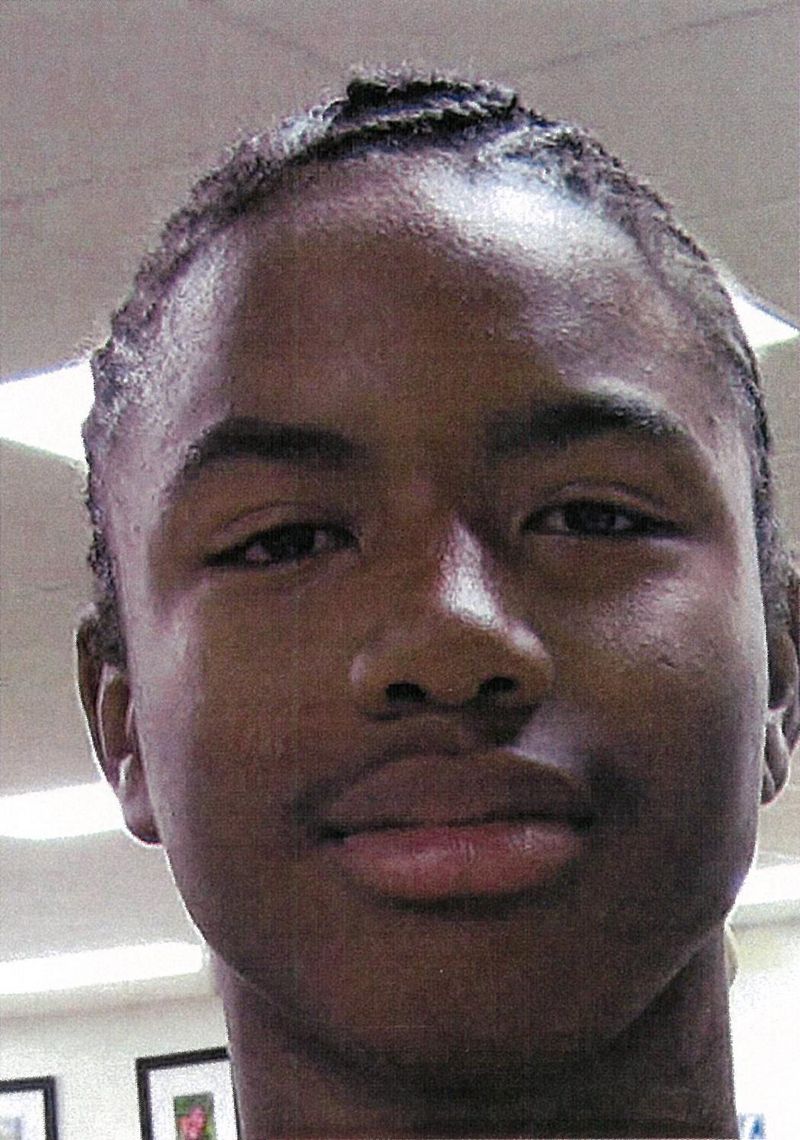
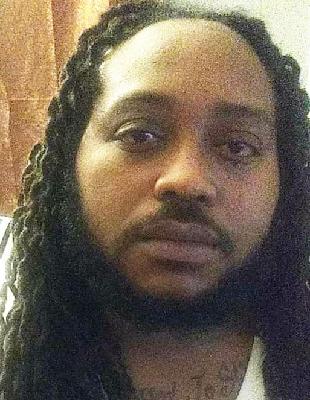
However, as the investigation deepened, a different and more sinister motive emerged: greed. Michael Brown, a man the couple had befriended and even allowed to live with them for a time, became the primary suspect. It was revealed that Brown, who falsely claimed to be a doctor, had been exploiting the generosity of the two elderly men. He had attempted to redirect their mail and had been using their credit cards. Prosecutors theorized that Lindgren and Hendricks had discovered Brown's financial deception and confronted him, leading to their murders. The initial appearance of a hate crime was believed to be a staged diversion by Brown himself.
Following the discovery of the bodies, Michael Brown's behavior grew increasingly suspicious. He made inquiries about the victims' mail and gave conflicting statements to police. As evidence mounted against him, Brown fled Indianapolis. On November 13, 2008, formal charges of murder were filed against him. Two days later, he was apprehended by U.S. Marshals in San Diego, California.
Michael Brown's trial took place in September 2010. Over four days, the prosecution presented a compelling case built on witness testimony, including that of Connie Ballard, and evidence of Brown's financial exploitation of his victims. A key piece of testimony came from a former inmate who had been incarcerated with Brown and claimed Brown had confessed to the murders. In October 2010, Michael Brown was convicted on two counts of murder. He was subsequently sentenced to 120 years in prison, ensuring that the man who had betrayed the trust of two kind-hearted men would spend the rest of his life behind bars. He is currently incarcerated at the Wabash Valley Correctional Facility.