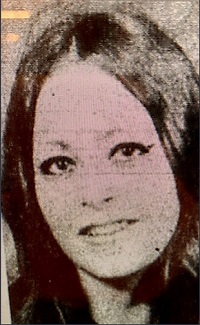
In the late summer of 2013, the life of 37-year-old Latasha M. Kolk, a female resident of Chesapeake, Virginia, was brought to an abrupt and violent end. On the afternoon of September 8th, police were summoned to her apartment in the 2500 block of Gilmerton Road following reports of gunfire. Inside, they discovered Ms. Kolk, who had been fatally shot.
The initial investigation pointed to a domestic dispute that had tragically escalated.
The man identified as her boyfriend, Ricky Calhoun, was present at the scene and acknowledged his role in the shooting. He placed the 911 call himself, claiming that he had acted in self-defense during a heated argument with Kolk. Neighbors reported that the couple had a history of arguments, and some expressed skepticism about the self-defense claim, noting the significant size difference between Calhoun and Kolk. He was described as a large man, which raised questions for some in the community about the necessity of using deadly force.
Despite the circumstances and the concerns of some neighbors, Calhoun was not immediately arrested. The Chesapeake police conducted a thorough investigation into the shooting, gathering evidence and questioning him about the events that transpired. The case was then turned over to the Commonwealth's Attorney's Office for review. After considering the evidence presented by the police, including investigative notes, photographs of the scene, and the autopsy report, the prosecutor made a final determination.
In January 2014, the Commonwealth's Attorney, Nancy Parr, announced that no criminal charges would be filed against Ricky Calhoun. The prosecution concluded that there was insufficient evidence to disprove his assertion of self-defense. Parr stated that it was her opinion that Calhoun reasonably feared for his life and was justified in using deadly force to protect himself, citing overt threats and other dangerous actions directed toward him by Kolk before the shooting. The decision left a division within the community, with some feeling that justice had not been fully served for Latasha Kolk, whose children were reportedly in the apartment at the time of the fatal incident.