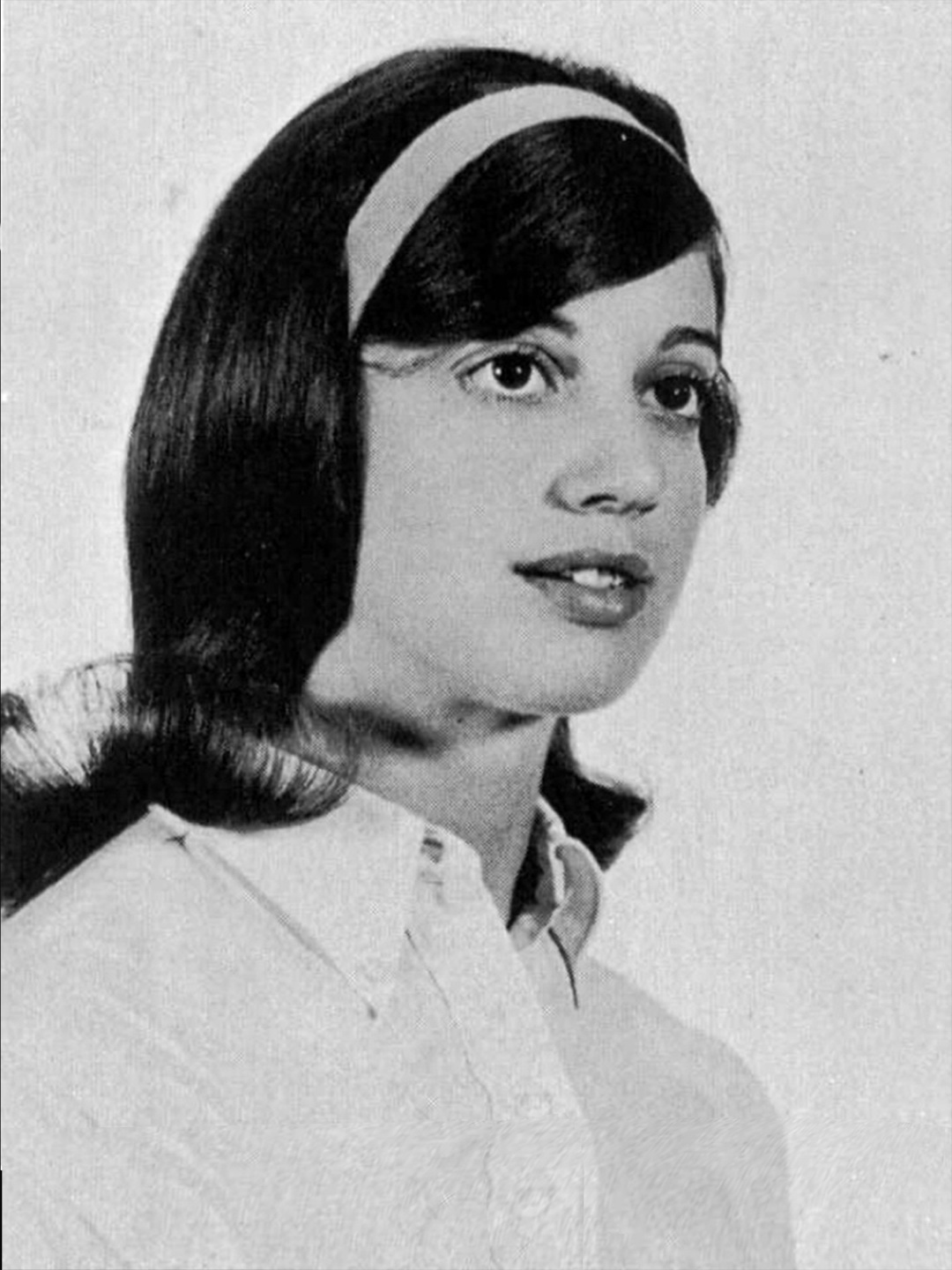
On a fateful Halloween night in 1981, a sense of unease settled over Brick Township, New Jersey, as 17-year-old Maria Teresa Ciallella vanished without a trace. The young woman's disappearance cast a long shadow over the community, leaving her family to grapple with years of uncertainty and heartache. Initially, suspicion fell upon her husband, Michael, but the horrifying truth would eventually surface, connecting Maria's fate to one of New Jersey's most infamous serial killers.
The grim reality of what happened to Maria began to unravel with the confession of an accomplice. On that November evening, Maria accepted a ride from Richard Biegenwald and his associate, Darrin Fitzgerald. Instead of being taken to her destination, she was driven to a secluded area where Biegenwald tragically shot her multiple times in the head.
In a chilling effort to conceal their crime, they transported her body to Staten Island and buried her in the backyard of Biegenwald's mother's home.
For over two years, Maria's family held onto a sliver of hope, praying for her safe return. That hope was shattered when investigators, acting on information from Fitzgerald, unearthed her remains from a shallow grave. The discovery brought a devastating confirmation of their worst fears. The investigation revealed that another of Biegenwald's victims had been callously buried on top of Maria.
Richard Biegenwald, who had a history of violent crime, was ultimately brought to justice for Maria's murder and a string of other killings that terrorized the Jersey Shore. His trial became one of the most sensationalized in the state's history, culminating in his conviction. Though initially sentenced to death, the penalty was later commuted to a life sentence. Biegenwald died in prison in 2008, taking with him the full extent of his horrific crimes and leaving a legacy of pain and unanswered questions for the families of his victims.