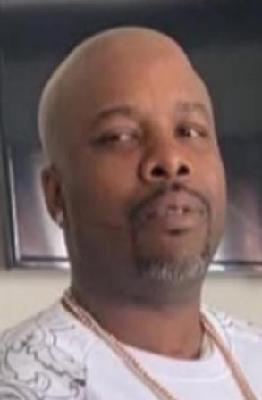
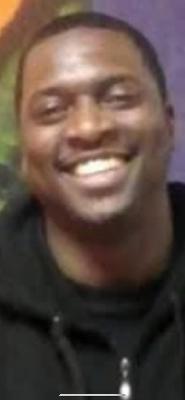
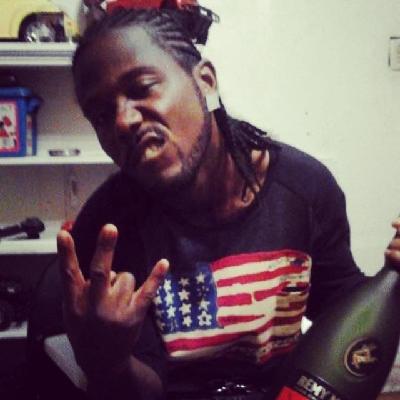
Curtis Ellis, aged 25, was fatally shot on August 18, 2008, in Chicago, Illinois. The incident took place after a violent altercation earlier that night at the Excalibur nightclub in the River North neighborhood. Ellis was involved in a physical confrontation with Tony Allen, who mistakenly identified him as someone who had previously wronged him. Following this confrontation, Ellis and Dana Bostic were sitting in Bostic’s Mercedes Benz, parked near the Rock 'n' Roll McDonald’s, when they
were suddenly fired upon. Bostic was shot multiple times but managed to drive both himself and Ellis to John H. Stroger, Jr. Hospital. Unfortunately, Ellis succumbed to his injuries and was declared dead upon arrival.
The context of Ellis' death was deeply connected to ongoing conflicts between various gang members in Chicago. Ellis was known to be associated with members of the New Breeds gang, a group heavily involved in criminal activities such as drug trafficking. His murder was a part of the cycle of gang retaliation that was frequent in Chicago during that time. Following Ellis’ death, Bostic and other members of the New Breeds organized retaliatory attacks against those they believed were responsible. This led to a series of violent incidents, escalating the tension between rival groups.
The violence that led to Curtis Ellis' death was part of a broader pattern of gang-related conflicts in Chicago. The city had been struggling with gang violence, which saw frequent escalations over perceived slights or turf disputes. Curtis Ellis' homicide exemplifies how personal vendettas and mistaken identities could quickly lead to deadly outcomes, contributing to the high rate of homicides that plagued Chicago during that year. The police investigated his death, but like many such incidents, the resolution was hindered by a lack of witnesses willing to come forward, due to fear of retaliation. This environment made it challenging to bring those responsible to justice, leaving Ellis' death as a symbol of the broader crisis affecting Chicago’s streets during that period.