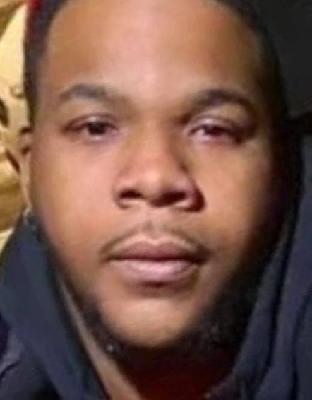
Walter McKeever, aged 23, was a homicide victim in Chicago, Illinois, on March 24, 2009. He was one of many individuals whose death contributed to the city's ongoing struggle with violence, which has deeply impacted neighborhoods throughout Chicago. The city was experiencing a significant spike in homicides during that period, reflecting the broader trend of escalating crime and gang violence that plagued numerous urban areas in the late 2000s.
The homicide of Walter McKeever took place in a context of broader citywide challenges with violent crime. Chicago, in particular, faced issues with concentrated violence in specific neighborhoods, with disputes often driven by gang conflicts and economic hardships. McKeever’s death, though representative of the personal toll of Chicago's violence, is also part of a troubling pattern in which young men—particularly those in their twenties—were frequently the victims of fatal shootings or other violent incidents during this time.
The data from city records highlights that incidents such as McKeever's were part of an overwhelming number of similar cases recorded across Chicago. The Chicago Police Department's data from 2009 reveals that neighborhoods most affected by poverty and systemic inequities also had the highest rates of homicides. Law enforcement and city officials were struggling at the time to find effective interventions that could break the cycle of violence and prevent these tragic losses of life, like McKeever’s, which were occurring with alarming regularity.
The circumstances of McKeever's death and others like his reflect a broader narrative about Chicago's struggles with public safety, community resources, and the limitations of policing strategies that focus primarily on enforcement rather than community-based approaches. The years following 2009 saw efforts to address the systemic issues that had contributed to the high homicide rates, but progress has been mixed and uneven across different communities in the city.