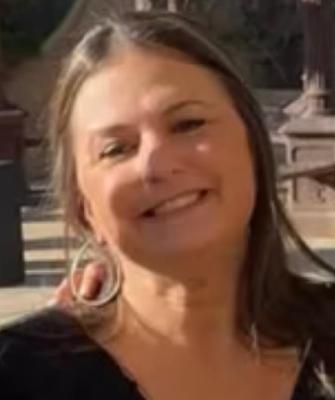
In the late hours of a November evening in 2014, police were called to the Ann Arbor, Michigan, home of Aura Rosser, a 40-year-old African American woman. Her boyfriend had called 911 to report a domestic dispute, stating that Rosser was acting erratically and had a knife. Two officers, David Ried and Mark Raab, arrived at the residence in response to the call. The situation escalated with tragic speed upon their entry into the home.
Within moments of crossing the threshold, the officers were confronted by Rosser.
According to the police account of the events that unfolded in a matter of seconds, Rosser approached them while holding a kitchen knife. Faced with the perceived threat, one officer, Mark Raab, deployed his taser at the same time that Officer David Ried fired his service weapon. The single gunshot from Ried's firearm proved to be fatal for Rosser, who was pronounced dead at the scene. Her boyfriend, who had made the initial call for assistance in removing her from the house, would later state that he did not believe the use of lethal force was justified. The incident marked the first fatal police shooting in Ann Arbor in decades and sent ripples of shock and anger through the community.
Following the shooting, the Michigan State Police conducted an investigation into the circumstances of Rosser's death, and Officer Ried was placed on administrative leave. The Washtenaw County Prosecutor's Office reviewed the findings of the state police investigation. In early 2015, the county prosecutor, Brian Mackie, announced that no criminal charges would be filed against Officer David Ried. The official determination was that the officer had acted in lawful self-defense when he shot Rosser. This decision was met with significant public backlash and sustained protests from community members and activist groups who questioned the integrity of the investigation and the justification for the use of deadly force.
In the years that followed, Aura Rosser's death became a focal point for local Black Lives Matter demonstrations and calls for systemic police reform. Critics pointed to the fact that one officer chose a less-lethal option while the other resorted to deadly force as evidence of a flawed response. Community demands for an apology from the city, compensation for funeral costs, and the termination of Officer Ried's employment went unanswered. David Ried was later promoted to the rank of sergeant within the Ann Arbor Police Department. The case continued to be a source of pain and contention in Ann Arbor, prompting the eventual creation of a citizen police oversight commission and renewed discussions about how law enforcement should respond to individuals experiencing mental health crises.