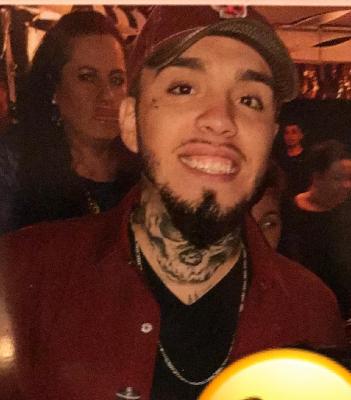
Luis E. Garcia, a 17-year-old male, was shot and killed on November 18, 2009, in Chicago, Illinois. This homicide took place in a year when Chicago was struggling with a high rate of violent crime, particularly affecting young people across many neighborhoods. Garcia’s death exemplified the violence that gripped the city, especially in areas where gun-related crime had become a severe and persistent issue.
In 2009, Chicago saw an increase in gang-related violence, and incidents involving teenagers were not uncommon. Garcia was one of several young victims caught in the crossfire of escalating gang conflicts, which plagued many of the city’s underserved neighborhoods. His death was part of a broader narrative in which the majority of homicides in Chicago were concentrated in regions dealing with significant socio-economic challenges and inadequate community safety resources. Many of these homicides remained unresolved, partly due to a lack of witnesses coming forward, as people often feared retaliation.
The homicide of Luis E. Garcia highlights the ongoing struggles of Chicago’s efforts to address gun violence, particularly among its younger population. The tragedy was part of a larger story about the pressures faced by city officials and law enforcement to develop more effective methods to prevent youth violence and to create safer communities, especially in the neighborhoods hardest hit by systemic inequality and gang activity.