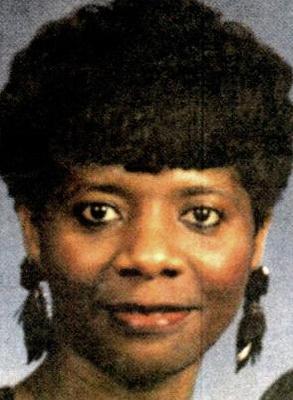
On a tragic Tuesday morning, July 8, 2003, the Lockheed Martin aircraft parts plant in Meridian, Mississippi, became the scene of a horrific workplace shooting. Among the victims was Lynette McCall, a 47-year-old female employee. The perpetrator was identified as Douglas Paul Williams, a 48-year-old white assembly line worker at the plant.
On the day of the shooting, Williams was required to attend a mandatory ethics and diversity class.
He reportedly became agitated and, after a brief appearance at the meeting, left angrily. He returned from his vehicle armed with a 12-gauge shotgun and a Ruger Mini-14 rifle, with bandoliers of ammunition across his chest. Williams then began a rampage that lasted approximately ten minutes, moving through the facility and targeting his co-workers.
Williams shot fourteen people, killing six and wounding eight. Lynette McCall was one of the six fatalities. Eyewitnesses and colleagues later reported that Williams had a history of making racist comments and threats, particularly directed at his African-American co-workers. Five of the six individuals killed in the shooting were Black. McCall's husband stated that his wife had previously expressed fear that Williams would one day cause harm, mentioning his threats against Black people.
The attack ended when Williams took his own life with a self-inflicted gunshot wound before law enforcement could apprehend him. Consequently, there was no arrest or criminal trial for the murders. In the aftermath, the incident was described as the deadliest workplace shooting in the United States in years and was investigated as a hate crime due to the gunman's known racist motivations. The families of several victims, including the estate of Lynette McCall, later filed lawsuits against Lockheed Martin, alleging the company was aware of Williams' violent tendencies and failed to provide a safe work environment. The U.S. Equal Employment Opportunity Commission ruled in favor of McCall's estate, stating that Lockheed Martin had responded inadequately to the threats Williams made against his Black colleagues.