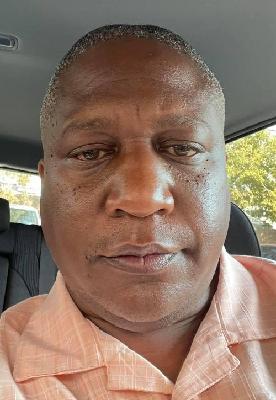
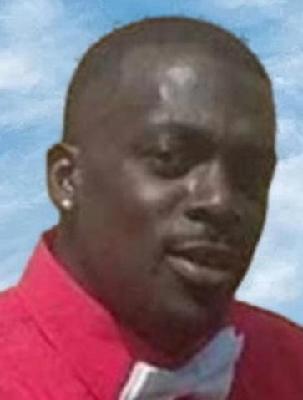
Jeremy Lamar Rodgers was a 25-year-old Black man from Charleston, Mississippi, remembered by those close to him as more than just a name in an online memorial. On remembrance pages created in his honor, family and friends refer to him by his nickname “JRock,” a small but intimate detail that hints at the closeness of his relationships and the sense of personality he carried into every room.
Loved ones describe him with words like protective, caring, intelligent, and talented, painting the picture of a young man who looked out for the people around him and left a lasting impression on those who knew him. One cousin, struggling with the shock of his absence, wrote that they still could not believe he was gone, calling him “big cuz” and turning a brief message into a snapshot of family ties and grief. Online records also note that he attended Senatobia High School, suggesting a life that moved between small Mississippi communities and the familiar paths of school, work, and family before it was abruptly cut short.
On July 6, 2012, Jeremy’s life ended in Charleston in an act of gun violence. Publicly accessible records summarize his death in stark, simple terms: he was lost to gun violence on that date in that town, without any widely reported narrative of the final hours that led up to the shooting. There is no easily found account of where exactly in Charleston the violence took place, what time of day it happened, or who, if anyone, was with him when the gunfire started. Instead, the official footprint that remains is minimal, reduced to a date, a place, and the acknowledgment that a firearm was at the center of the tragedy. His obituary in a regional newspaper confirms that he died on July 6, 2012, but offers no further explanation, only listing his name, his age, and his hometown, as if words were inadequate to capture the circumstances or the loss.
In the years since his death, publicly available information has not filled in the gaps around what happened to Jeremy or who was responsible. Online, his case appears in gun-violence memorial listings and obituary archives rather than detailed crime reports or court records. None of the accessible sources identify a suspect by name or describe any arrest connected to his killing, and there is no clear public record of charges being filed, a trial being held, or a conviction being handed down. From the outside, the investigative trail is silent; if law enforcement pursued leads, questioned witnesses, or built a case, those efforts have not translated into widely documented outcomes that can be seen in open online records. What remains visible to the public is the enduring grief of those who knew him, the candles lit in his memory, and the sense that a young man with a close-knit family and a vivid personality was taken by violence whose details, and whose accountability, remain largely hidden from view.