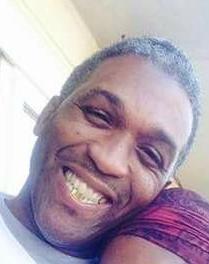
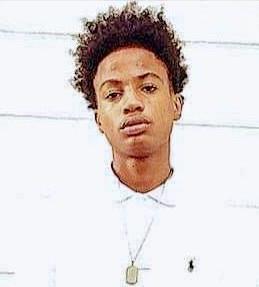
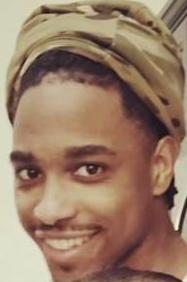
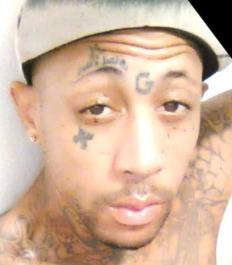
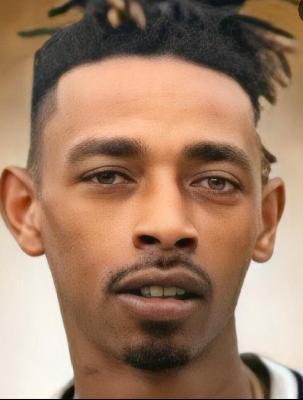
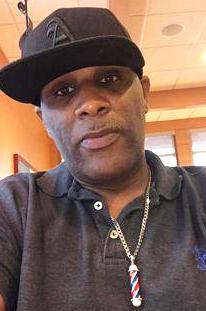
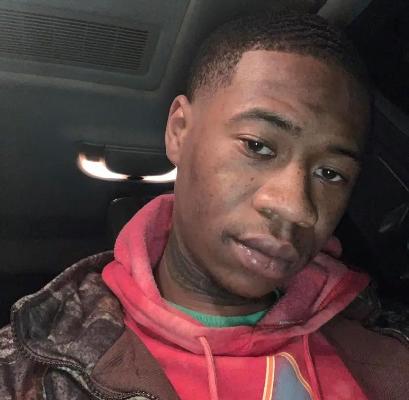
On a late-summer Sunday night in 2015, Darnell C. Bolton, a 24-year-old man from Moss Point, Mississippi, pulled into the Fusion H2O Carwash on Jefferson Avenue, the kind of familiar neighborhood spot where people gathered to talk, clean their cars, and wind down before a new week. He had grown up in the area, born in 1991 and educated at Moss Point High School, and had gone on to serve as a soldier in the U.S. Army—something friends and local news accounts mentioned with pride when they spoke about him after his death. In the days that followed, online guest books and memorial pages would describe him as a devoted family man and a presence who lit up his city, a “wonderful father & husband” who did not deserve what happened that night.
The car wash was busy that Sunday, September 6, 2015, when an argument broke out among others on the lot. What began as a confrontation quickly escalated, drawing the attention of people nearby. According to accounts relayed by police to local media and by his loved ones afterward, Bolton stepped toward the commotion not to join it but to calm it, attempting to break up the fight before it went any further. Instead, gunfire erupted. Multiple shots rang out across the concrete bay of the self-service wash, sending bystanders scrambling for cover. When the chaos settled, Bolton lay mortally wounded, and two of his friends had been struck as well, turning the gathering into what investigators would later describe as a triple shooting.
Emergency responders rushed the victims from the car wash to medical care, but Bolton’s injuries were too severe; he was pronounced dead that same night. News of his killing spread quickly through Moss Point and neighboring Pascagoula. Just days later, mourners packed Second Baptist Church on Machpelah Road for an evening visitation, and then again for his funeral service, before his burial at Sweet Water Cemetery in nearby Benndale. Online memorials filled with messages from classmates, neighbors, and fellow congregants who remembered him walking local streets, playing football as a kid, and growing into a man who, in one friend’s words, would “forever live in this city & in our hearts.”
Even as the community grieved, investigators were racing to identify who had opened fire at the car wash. Moss Point police quickly classified the incident as a triple shooting and began interviewing witnesses, collecting shell casings, and piecing together the sequence of events. Within a few days, their focus turned to a man they publicly named as the primary suspect, Roderick Murray. In a televised statement summarized by local news, a police captain explained that witness accounts and physical evidence led detectives to believe Murray was the one who had committed the crime, and a warrant was issued for his arrest. U.S. Marshals joined the search, signaling how seriously authorities viewed the case and how determined they were to track him down.
The investigation also drew in another man, Antonio McKee, who presented himself to police not long after the shooting. McKee turned himself in and gave a statement, but investigators later said there was not enough evidence to charge or hold him, and he was released without being formally accused of a crime in connection with Bolton’s death. The search for Murray, however, continued. Within days of the warrant being issued, police announced that a man wanted in connection with the triple shooting had been captured late one night at a hotel in nearby Pascagoula. A second suspect, whose name was not detailed in the Associated Press summaries carried by regional outlets, had already turned himself in. While authorities confirmed that both men were in custody and tied those arrests to the car wash shooting, reports emphasized that the investigation remained active and did not spell out the exact charges or any subsequent courtroom proceedings.
In the months and years that followed, online coverage continued to remember Bolton primarily through the lens of loss rather than legal outcomes. Memorial pages noted the candles lit in his honor and the comments from people who had known him as a neighbor, a teammate, a church member, and a family man trying to help when violence erupted around him. Publicly accessible reports document the warrant naming Murray as the suspect, the involvement of U.S. Marshals, and the arrests made after the shooting, but they do not clearly trace what happened afterward in court—whether any charges led to a trial, plea, or conviction in Bolton’s killing. What remains unmistakable in the record is the shape of the story itself: a local son and soldier stepping toward a fight to stop it, the sudden flash of gunfire at a neighborhood car wash, and a community left to mourn a man they believed had been trying to keep the peace when his life was stolen.