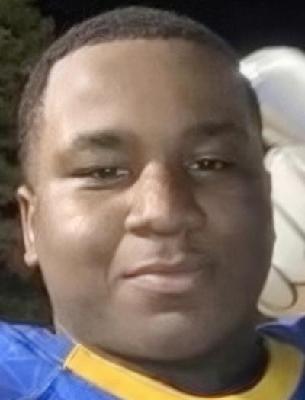
Quinten L. Lynn was a 31-year-old man from Jackson, Mississippi, whose Fourth of July in 2016 ended not with fireworks, but with gunfire on a quiet neighborhood street. On the afternoon of July 4, he was shot and killed on Revels Avenue, a residential stretch in north Jackson, and his death was later noted in brief obituary notices that listed only his name, age, city, and the date he died.
The holiday afternoon was already slipping toward evening when police were called to the 3200 block of Revels Avenue around 2:30 p.m. Officers would later say that a gunman killed Quinten with an assault rifle during the shooting, turning a day meant for celebration into the city’s 33rd homicide of the year. The address put the crime in a largely residential part of Jackson, the kind of place where houses sit close to the street and neighbors quickly learn when something has gone terribly wrong.
According to police reports described in local news coverage, the violence began with a fight. Investigators said that Quinten and another man, 37-year-old Oslee Brown, got into an argument or physical altercation on Revels Avenue. In the midst of that confrontation, Brown was accused of pulling out an assault rifle and firing, fatally wounding Quinten in the street. The specifics of what sparked the conflict were never spelled out in the brief public accounts, but the scene was clear enough: a personal dispute that escalated in an instant into a deadly attack carried out with a military-style weapon.
In the hours immediately after the shooting, police announced that they were looking for Brown and named him as the suspect in Quinten’s killing. As word spread, his name was broadcast as wanted for murder in connection with the Revels Avenue case. The next day, Brown walked into Jackson police headquarters and surrendered. Officers said he turned himself in around 2:30 p.m., roughly 24 hours after the holiday shooting that had left Quinten dead. He was formally charged with murder, accused in court documents and press statements of causing Quinten’s death by opening fire with an assault rifle during their dispute.
Publicly available records focus on those first stark facts: the fight on Revels Avenue, the fatal burst of rifle fire, and the rapid identification and arrest of the man police believed responsible. Beyond the initial announcement that Brown had been charged with murder, there is little detailed reporting accessible online about what happened next in the courtroom—no widely available accounts of a trial, plea, or sentence that would neatly tie off the legal aftermath. In the record that can be seen, the story seems to pause at the point where the criminal case moved from the streets into the justice system, leaving the outcome largely undocumented for anyone searching years later.
In the years since, Quinten’s name has lived on most visibly in digital spaces devoted to victims of gun violence. On one such memorial page, his entry is spare but poignant: his age, the city where he was killed, the date of his death, and a note that he was “lost to gun violence” on Independence Day in Jackson. Visitors have lit dozens of virtual candles in his memory, small points of light that accumulate over time as family, friends, and strangers return to acknowledge a life cut short. Someone who knew him added a nickname—“TuTu”—a tiny personal detail that hints at the person behind the headlines, suggesting a man who was more than the brief lines that record how he died.