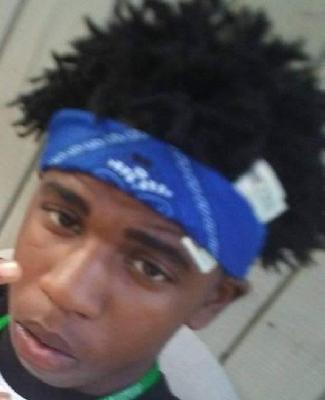
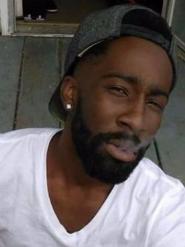
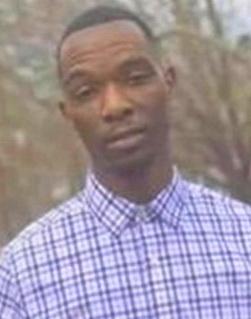
Timothy Butler was a 25-year-old Black man from Tupelo, Mississippi, remembered by friends as a good-natured young father with deep roots in his hometown. Online memorials list affectionate nicknames for him and note that he attended local schools, reflecting a life woven into the everyday fabric of Tupelo long before his name appeared in news headlines and obituary columns.
On April 6, 2017, Timothy and his close friend Andrew Latrez Robinson were killed together by gunfire in Tupelo, their deaths later described collectively as a double homicide. Both men were listed on national gun-violence memorial rolls for that date, indicating that they died in the same shooting episode rather than in separate, unrelated incidents. Robinson’s obituary records that he also died in Tupelo on that day, and a funeral home tribute describes how he spent much of his time making music with Timothy, suggesting a creative partnership that bound the two friends closely in life before they were taken together in death.
In the days that followed, the public face of the tragedy was shaped through funeral notices and services rather than detailed police briefings. Timothy’s obituary records that he died in Tupelo on April 6 and that his funeral was held at Rising Star Missionary Baptist Church, with burial at Porter’s Memorial Park—traditional markers of a life honored by family, friends, and a local congregation that knew him personally rather than as a case number. Online, candles appeared beside his photograph on a national gun-violence memorial site, where mourners could post comments, list his nicknames, and note that he was a father, emphasizing the intimate circle of people whose lives were permanently altered by the shooting.
While the personal rituals of grief unfolded, the official investigation moved more opaquely. Gun-violence records categorize the deaths of Timothy and Andrew as a double homicide, but publicly available reports do not detail the precise circumstances of the shooting, the exact location in the city, or a clear narrative of what led up to the gunfire that day. Years later, a Google-alert digest quoting the Northeast Mississippi Daily Journal referred to a story titled “Crime Stoppers asks for help with 2017 cold case,” noting that Crime Stoppers of Northeast Mississippi and the Tupelo Police Department were asking for the public’s help in locating those responsible—a strong indication that local authorities still regarded the killings from April 6, 2017, as an unsolved double homicide.
Frustration within the families eventually spilled into the public record through activism rather than court filings. A petition hosted on MoveOn, addressed to the mayor of Tupelo, was written by a person who identified the victim of a double homicide on April 6, 2017, in Tupelo as their brother. The petition argues that homicides are not being properly investigated when the victims are Black and alleges that, more than a year after the killings, local law enforcement had not contacted either family or made any arrests, despite the writer’s claim that there was DNA evidence, eyewitness testimony, and even confessions. Although the petition does not name Timothy and Andrew outright, the date, location, and description of a double homicide match the publicly available details of their deaths, and it stands as a public expression of the families’ belief that the investigation had stalled or been mishandled.
Taken together, these open sources portray a case in which law enforcement classified the deaths as a double homicide, sought help from the public through Crime Stoppers appeals, and, at least as of several years after the shooting, had not announced any arrests, named any suspects in the press, or brought charges that can be traced in publicly accessible records. The available documentation contains no indication of a suspect taken to trial or convicted for the killings of Timothy Butler and Andrew Robinson. Instead, what remains visible is the aftermath: funeral services at familiar churches, online memorials where candles continue to be lit in Timothy’s name, and a lingering sense—voiced in the petition and implied by the “cold case” framing—that a young man’s life ended violently in his own community without the closure of a resolved investigation or an identified perpetrator.