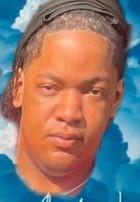
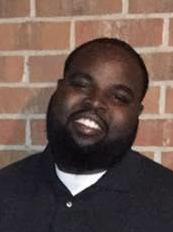
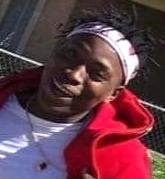
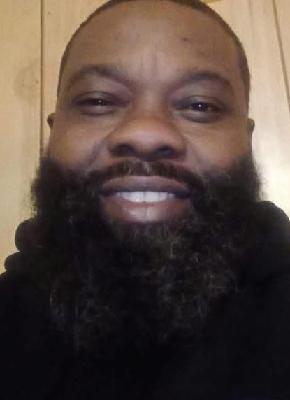
Dereyaki Moore, a 28-year-old Black man from Indianola, Mississippi, was shot and killed on September 1, 2021, in his hometown, leaving behind a family and community that had watched him grow up. The public record of his life is brief but vivid: scattered notices online mark the date of his death, pairing it with little more than his age and the fact that gunfire ended his life.
Yet even in those short lines, there is a sense of abrupt interruption, as if the routine of an ordinary late-summer day in the Delta was suddenly broken by violence that no one around him was prepared for.
Beyond the bare facts of the homicide, the fragments that remain about Moore sketch the outline of a young man with deep roots in Indianola. Online memorials describe him as fun, caring, and loving, someone whose personality seemed larger than the few words chosen to remember him. Friends and relatives contributed small details that feel intensely personal: they recalled nicknames like “Yaki” and mentioned that he worked as a cook at a local McDonald’s, a job that put him in contact with neighbors and regulars who came to know his face and his easy manner. He was also remembered as a father of one child, a role that added a quiet weight to his everyday routines and turned an already painful loss into something even more profound for the family members left behind.
In the weeks after his death, his family turned to the customs that so many communities in the Mississippi Delta use to cope with sudden loss. Obituary notices in local newspapers announced that graveside services for Moore would be held on Saturday, October 2, 2021, at Riverside Memorial Gardens in Indianola, with a local pastor officiating and a hometown funeral home entrusted with the arrangements. The timing, coming a month after the shooting, suggests a period in which relatives and friends gathered themselves, coordinated travel, and tried to make sense of what had happened before they laid him to rest. At the cemetery, standing among familiar fields and under the same sky he had grown up beneath, mourners said goodbye in a ceremony that formally acknowledged what they had already been living with since the first call about the shooting came.
The grief did not end at the edge of the grave. In at least one public tribute, a balloon release was organized in Moore’s honor, his name appearing in the title of an online video that captured local figures and residents gathering to remember him. Scenes like that—people clustered together, balloons drifting upward into the Delta air—hint at how deeply his death resonated in Indianola. They suggest that those who knew him were determined not to let his name become just another entry in a list of statistics, but instead to speak it aloud, to celebrate his life with color and motion, and to push back against the silence that often follows a killing once the initial news fades.
Yet, despite the emotional weight visible in those memorials, publicly available information about the investigation into Moore’s death is strikingly sparse. The notices that do exist focus almost entirely on funeral details and basic biographical facts, while offering no clear account of what led up to the gunfire that took his life or of who might have been responsible. There are no widely accessible reports naming a suspect, describing an arrest, or outlining charges and court proceedings connected to his killing. In the absence of such records, it is impossible from open sources to say whether anyone has ever been formally held to account in a courtroom for Moore’s death, or whether the case has quietly lingered in files and memories, unresolved.
What remains, then, is a story told in glimpses: a young father and fast-food cook whose personality drew people in; a sudden burst of violence in early September 2021; a graveside service under the trees at Riverside Memorial Gardens; a balloon release that tried to carry his memory a little higher than the grim reality of his killing. Between those moments lies a gap where answers about justice and accountability should be. For now, the public record holds only these scattered traces, leaving Moore’s family and community to carry both the warmth of his memory and the weight of questions that the available documents do not resolve.