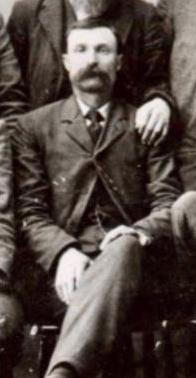
Deputy U.S. Marshal Herbert Melvin Goddard, a 40-year-old white man, rode into the tiny community of Goodwater in the summer of 1900 with an arrest warrant folded among his papers and the weight of federal law on his shoulders. Goodwater lay in the remote timber country of what is now southeastern Oklahoma, east of Idabel and close to the Arkansas border, a rough landscape where fugitives could easily disappear into the woods.
The warrant in Goddard’s possession named a twenty-year-old full-blood Choctaw man, Ambrose “Ombus” Wilson, who was wanted for murder and known to frequent the area around the settlement.
On August 13, 1900, Goddard located his man near Goodwater and moved in to serve the warrant. What should have been a routine, if dangerous, piece of a marshal’s work turned abruptly violent. As he attempted to arrest Wilson, the suspect opened fire, striking the deputy marshal with gunshots that left him gravely wounded. Despite the suddenness of the attack and his serious injuries, Goddard did not collapse immediately; he managed to bring his shotgun into play and return fire, answering rifle or pistol rounds with buckshot in a desperate attempt to defend himself and complete the arrest.
The exchange of gunfire left the quiet country around Goodwater echoing with shots, and when it was over, both men were wounded. Goddard’s injuries were severe enough that he could not long survive them, but he lived through the night. Contemporary accounts later recorded that he succumbed to his gunshot wounds on August 14, 1900, a day after the ambush, dying in the line of duty from injuries suffered during the attempted arrest on August 13.
Wilson did not escape unscathed. After the shootout, he fled into the nearby woods, trying to hide in the dense cover that had sheltered many fugitives before him. He did not get far. Searchers eventually found him concealed in the timber, suffering from nine buckshot pellet wounds that matched the marshal’s desperate return fire. Taken alive from his hiding place, he was placed under arrest and carried back to town to face confinement and, presumably, the federal courts that had issued the warrant against him.
There would be no trial. Records from law-enforcement memorials state that the suspect later died in jail, his wounds and the harsh conditions of early twentieth-century incarceration closing the book on the case before any formal proceedings could be completed. With the only identified suspect dead in custody, the legal action ended as abruptly as the gunfight itself. The written accounts of the incident focus solely on Wilson as the assailant; no other suspects or accomplices are mentioned in the surviving summaries of the case, and no additional arrests are recorded in connection with the killing.
Goddard’s story, pieced together from these brief official notes, ends across the state line. After his death, his body was taken from the Indian Territory to Cooper Cemetery in Little River County, Arkansas, where he was buried and where his grave still marks the sacrifice of a frontier lawman who died trying to carry out a warrant in a sparsely settled corner of the country. Modern memorials list him among those “lost to gun violence” in Goodwater on August 13, 1900, remembering not just the bare fact of his death but the perilous work that led him down a wooded trail toward a hidden fugitive and a final, fatal exchange of gunfire.