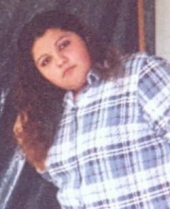
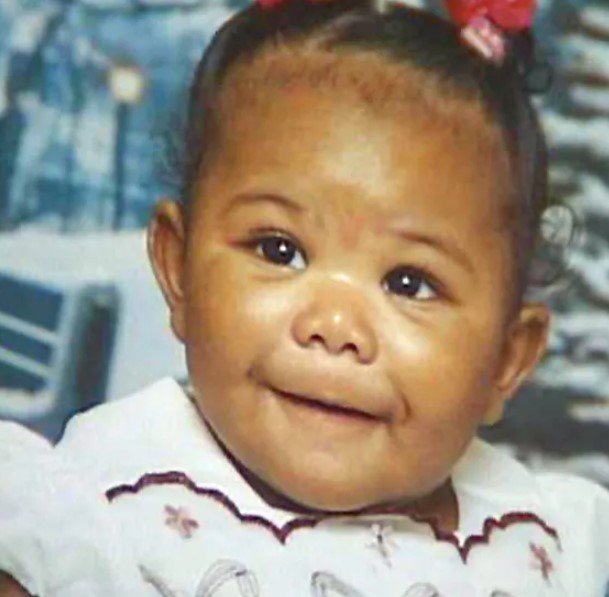
On an August night in 2013, Sallie Green, a 57-year-old white / Caucasian female, was at home in southeast Oklahoma City with three generations of her family when the quiet of their house on the 4600 block of Southeast 79th Street was broken by gunfire. Inside were her adult daughter, Rebecca Cizek, Rebecca’s teenage daughter, Katherine, and Rebecca’s infant son, Amario Dominguez III.
Before the night was over, all four would be dead, their home turned into the scene of a quadruple homicide that stunned neighbors and rippled through schools, churches, and newsrooms across Oklahoma City.
Sallie’s life, as sketched in her obituary, began decades earlier and far more peacefully. Born on December 11, 1955, she spent her years in Oklahoma, eventually making her home in the Oklahoma City area. Her family chose to remember her formally with a funeral service at First Southern Baptist Church of Del City, followed by burial under the care of a local funeral home. Those details, preserved in online memorials and funeral notices, sit alongside brief tributes describing her as a loved mother and grandmother, someone whose death left a gap large enough that friends and relatives later turned to online memorial pages to light digital candles and share memories.
The events of August 14, 2013, unfolded late in the evening. Around 11 p.m., Oklahoma City police were called to the family’s home after a report of a possible dead body. When officers entered, they found a tableau of violence: Sallie, Rebecca, sixteen-year-old Katherine, and baby Amario all dead inside the house. Investigators quickly realized they were dealing with a mass killing within a single family. In the days that followed, the Office of the Chief Medical Examiner released findings that Sallie had been killed by a penetrating gunshot wound to the head, the baby by an intermediate-range gunshot wound to the forehead, and later confirmed that all four victims had died of gunshot wounds.
Attention turned almost immediately to a missing family member: Sallie’s son, Daniel Livingston Green, who also lived in the house. Police identified the 40-year-old as a suspect and began searching the area. A convenience store clerk at a nearby 7-Eleven recognized him and alerted authorities, leading officers to stop his vehicle at Southeast 59th Street and Sooner Road and arrest him without incident. Inside the car, they recovered a handgun registered to a family member. Court documents and later reporting describe how Daniel, in a probable-cause affidavit, told investigators he could have “emptied a magazine on them,” claimed he had “blacked out and it was a blur,” and said he felt he had to get away from his family because they were preventing him from being with his “one true love,” a fixation that relatives said centered on actress and singer Selena Gomez. His father, Raymond Green, told police his son had been diagnosed with schizophrenia, had a violent past, and that while he had tried to lock up his own guns, Rebecca kept a. 380 pistol hidden in the house. Records also show that Daniel had prior convictions for drug possession and for carrying a weapon, painting a picture of a man whose troubles had been building for years before the night of the shootings.
Legally, the case quickly became as much about Daniel Green’s mental state as about the horrifying facts of the crime scene. He was arrested on four complaints of first-degree murder and formally charged with four counts of first-degree murder in the deaths of his mother, sister, niece, and infant relative. Within months, his defense attorney asked the court to evaluate his competency, citing a nearly two-decade documented history of schizophrenia and what the attorney described as a deeply delusional belief system. In March 2014, an Oklahoma County judge ruled that Green was not mentally competent to stand trial and ordered him remanded to the Oklahoma Forensic Center in Vinita for treatment, with periodic reports to the court. Under Oklahoma law, when a defendant is declared incompetent, criminal proceedings are paused and, in some instances, charges are dismissed while the person is placed in the custody of the state’s mental health department. Years later, after cycles of treatment and review, Oklahoma County’s district attorney announced that four first-degree murder charges had been refiled against Daniel Green once mental health officials deemed him restored enough to be discharged from involuntary commitment, prompting his re-arrest in 2024 and return to the Oklahoma County Jail on a high bond. Public reporting indicates that this pattern of dismissal and refiling has occurred more than once as his competency has fluctuated, and as of the latest updates he remains accused in the killings rather than conclusively tried and convicted.
For those who loved Sallie and the others, the aftermath has been measured less in legal motions than in grief. The baby’s father spoke publicly of his devastation, vowing to live in honor of his son, his fiancée Rebecca, and her daughter, describing the infant as a happy child who “didn’t cry a whole lot” and whom he loved deeply. Mid-Del Schools, where Katherine had been a student, issued a statement mourning the loss of a classmate and extending sympathy to the family. Relatives set up memorial funds at local banks to help with funeral expenses, and over time digital spaces—pages on gun-violence memorial sites and case-tracking platforms—have become places where strangers and friends alike mark birthdays and anniversaries with messages, candles, and photos. Against the dry formality of court dockets and competency hearings, those small gestures stand as a reminder that behind the legal label of “quadruple homicide” was a family home, abruptly silenced, and a woman named Sallie whose ordinary life in Oklahoma City ended in extraordinary, and enduringly painful, violence.