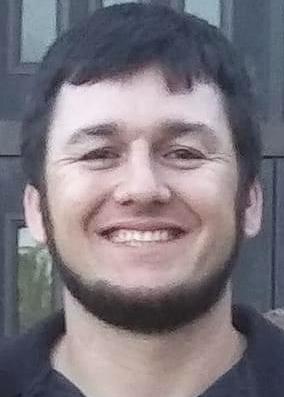
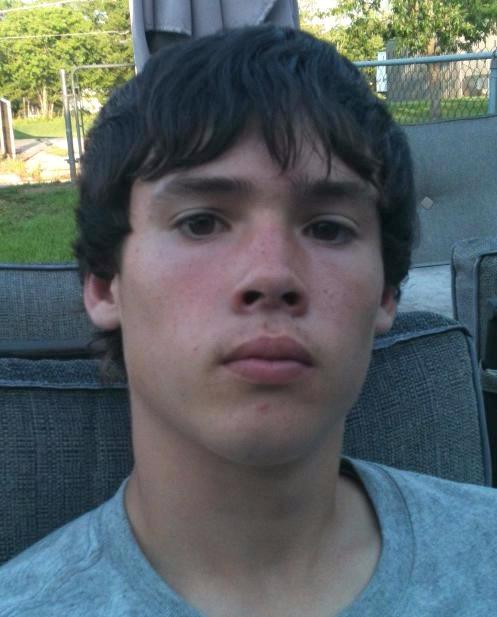
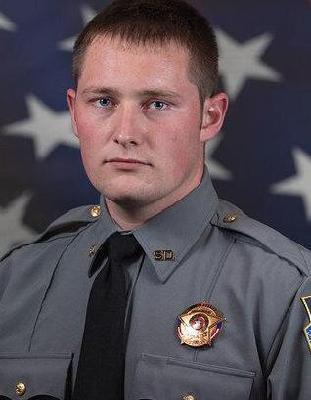
Shaun Burden, a 37-year-old white male from the small city of Wewoka in Seminole County, Oklahoma, lived in a neighborhood where quiet early mornings were the norm, until one Sunday in late August 2022 shattered that sense of routine. In the pre-dawn hours of August 21, 2022, gunfire broke the silence as local police officers were already out on patrol near the 100 block of North Sasakwa, just a short distance from where Shaun lived.
The sound of multiple shots sent both officers and neighbors into alarm, and within minutes the events of that morning would turn an ordinary residential street into an active homicide scene.
Neighbors who heard the gunfire called 911 to report the shooting, bringing emergency responders racing toward West 2nd Avenue. Officers traced the source of the disturbance to 228 West 2nd Avenue and arrived at approximately 6:10 a.m., where they found Shaun lying dead at the scene, the victim of a fatal shooting. What had been a routine patrol route only moments before became a cordoned-off block, with investigators marking evidence as the sun came up over the residential streets of Wewoka. The address, the early-morning timeline, and the sudden burst of gunshots all pointed to a targeted act of violence rather than an accident, and police immediately requested assistance from the Oklahoma State Bureau of Investigation to handle the case as a homicide.
With OSBI stepping in, the investigation widened beyond the quiet block where Shaun was killed. Agents and officers canvassed the area, seeking surveillance footage, additional witnesses, and any clue that could explain who opened fire and why. Public bulletins emphasized that the killing occurred while officers were already in the vicinity, underscoring how quickly the violence unfolded and how little warning anyone had. Repeated statements from OSBI and local outlets urged anyone who had been near North Sasakwa or West 2nd Avenue around the time of the shooting—and anyone who noticed suspicious activity before or after the gunshots—to contact investigators, even providing a dedicated phone number and email address in hopes that a single overlooked detail might break the case open.
In the months and years that followed, public information about the case remained painfully sparse. News reports and official summaries continued to describe the homicide in the present tense, emphasizing the open nature of the investigation and repeating calls for tips from the community, rather than announcing any breakthroughs. No publicly available records indicate that a suspect has been named, arrested, or charged in connection with Shaun’s killing; instead, OSBI’s appeals for information and the absence of follow-up reports about an arrest suggest that the case remains unsolved. For residents of Wewoka, the knowledge that a deadly shooting took place while police were close enough to hear the shots, yet no assailant has been brought to justice, has left a lingering sense of unease alongside the grief.
Beyond the sparse investigative details, the traces of Shaun’s life that appear in public memorials add a more personal layer to the story. Online tributes remember him as funny and caring, and candles lit in his memory mark the enduring impact of his loss on family, friends, and a community that still lacks answers about what happened that morning. Each remembrance, each brief description of his personality, deepens the contrast between the ordinary life he once led in Wewoka and the senseless, unresolved violence that ended it. The case now lives on in investigative files and digital memorials, a reminder that behind the sterile language of “victim” and “incident” is a person whose story is still missing its final chapter: the identification and accountability of whoever pulled the trigger on that August morning.