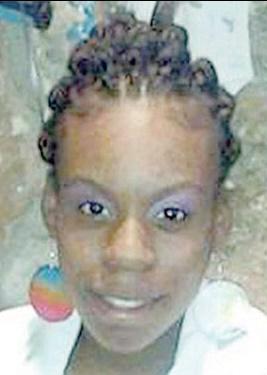
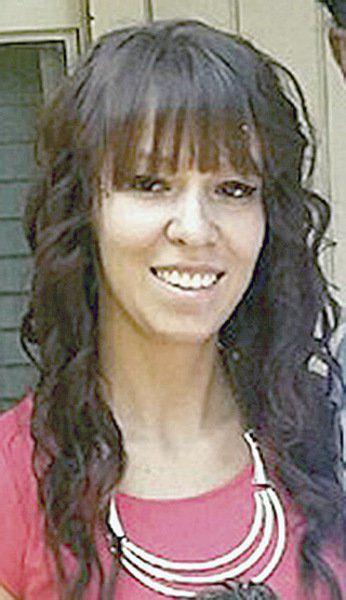
On December 2, 2022, 48-year-old Tonya George, a White woman from McAlester, Oklahoma, was shot to death in a quiet rural stretch of Pittsburg County, ending a life rooted in family and small-town connections. Online memorials trace her back to Pontotoc County, where she is buried in Maxwell Cemetery near Oil Center, and describe her as the eldest daughter of Larry Glenn Woods and the late wife of Robbin George, both of whom preceded her in death.
Some tributes note that she was a registered nurse, a mother of two, and a product of local Oklahoma schools, painting a picture of someone whose world revolved around work, family, and the familiar communities of southeastern Oklahoma.
That December day, Tonya was at a residence in rural Pittsburg County, near the intersection of State Highway 113 and Hamilton Loop, not far from Indianola. Inside that home, what had been an ordinary setting became the scene of sudden, close-range violence. According to investigative summaries, Tonya was fatally shot, while another woman in the house was hit twice but survived her wounds. Despite her injuries, the surviving victim managed to call for help, and deputies arrived to find Tonya already dead and the second victim seriously wounded. The location — a modest residence along a country highway — underscored how abruptly violence can intrude on places that usually only hear the sound of wind, passing vehicles, and the occasional neighbor’s truck.
Law enforcement quickly began piecing together what had happened. Investigators identified 21-year-old McAlester resident Darius Alexander Presley as the person who had come into the residence, shot both victims, and fled in one of their vehicles. As officers from the Pittsburg County Sheriff’s Office, assisted by state and federal authorities, spread out to locate him, the search led back into McAlester. There, a tense standoff unfolded when Presley barricaded himself inside another residence. The situation ended without further bloodshed: officers surrounded the home, contained the scene, and ultimately arrested him without incident, bringing the immediate manhunt to a close even as questions about motive and the events inside the rural house remained largely unanswered in public records.
Because the shooting occurred within the boundaries of the Choctaw Nation Reservation, federal jurisdiction came into play. Early news reports recount that Presley was initially charged in local and tribal courts, including a murder charge in Choctaw Nation District Court, while federal prosecutors with the Eastern District of Oklahoma prepared a broader case. A federal grand jury later indicted him on counts of murder in Indian Country and assault with intent to commit murder in Indian Country, reflecting both Tonya’s killing and the attempted killing of the surviving victim. Additional counts alleged that he was a felon in possession of a firearm and that he used, carried, brandished, and discharged that firearm during and in relation to a crime of violence, underscoring the seriousness with which prosecutors viewed the combination of his prior record and the brutality of the attack.
Over the following months, the case moved steadily through the federal system. In September 2023, Presley appeared in a Muskogee federal courtroom and pleaded guilty to one count of murder in Indian Country, one count of assault with intent to commit murder in Indian Country, one count of using, carrying, brandishing, and discharging a firearm during a crime of violence, and one count of being a felon in possession of a firearm. A year later, in August 2024, he stood before a judge again for sentencing. By then 23 years old, he was ordered to serve 37 years in federal prison — a sentence described by prosecutors as a measure meant to reflect the gravity of taking one life and shattering many others. In statements released after sentencing, the United States Attorney emphasized that while no court could undo the devastation Tonya’s family endured, the lengthy term would ensure that the man responsible for her death and the wounding of another would spend much of his life behind bars. For Tonya’s loved ones, the legal outcome could not restore the nurse, daughter, wife, and mother they had lost, but it marked a formal acknowledgment of the violence that took her from them on that winter day in rural Oklahoma.