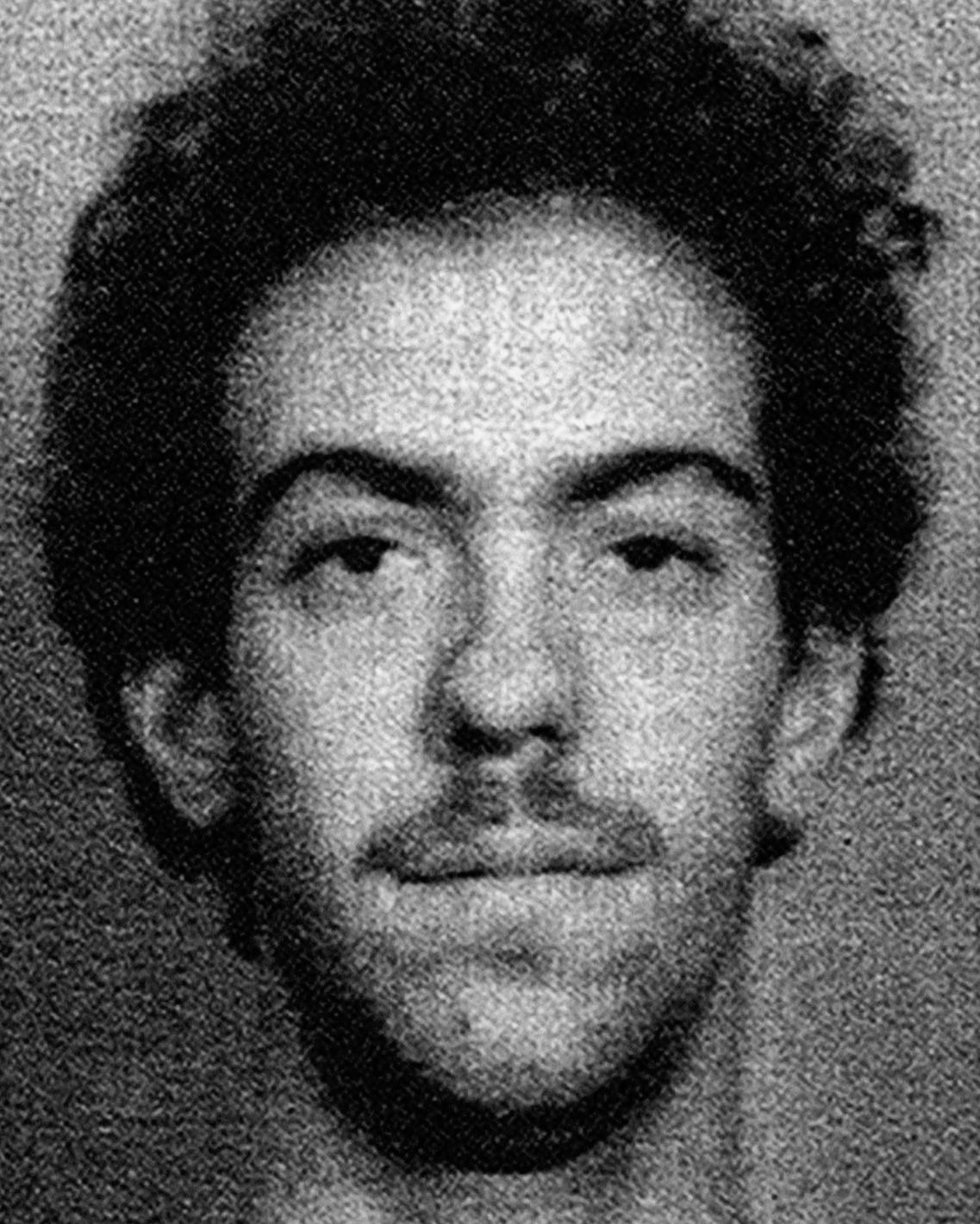
Leonard Scherger, a 33-year-old White/Caucasian man and the city marshal of Hartford, Wisconsin, was killed in the line of duty on the night of May 21, 1904. Contemporary records place the shooting at Hartford’s railroad freight depot at about 10:20 to 10:30 p.m., rather than on June 18. Scherger had served with the Hartford Police Department for approximately two years and was making his rounds when three suspicious strangers were noticed near the railroad yards.
He was accompanied by Frank Hill and John Thiedeman as the group moved toward the men near a water tank.
According to Hill’s eyewitness account, Scherger approached the trio while Hill circled around the water tank in an effort to prevent them from escaping toward the downtown track. Scherger walked up to a heavyset member of the group, took hold of the man’s coat lapel, and ordered the three to come with him. The man pulled away, produced a revolver and immediately opened fire. Hill later said Scherger had not drawn his own revolver. As the first gunman continued shooting at the marshal, another member of the group fired toward Hill, while the third reportedly fired in the direction of Thiedeman. Hill took cover around the water tank and sent Thiedeman to raise the alarm.
Nearby fishermen Al Christman, Conrad Zuest and Joe Heppe heard the gunfire and ran toward the railroad grounds. They initially saw three men running east along the tracks and, believing they were witnessing officers pursuing someone, followed them with lanterns. The fleeing men soon realized they were being followed, stopped farther down the tracks and could be heard reloading their revolvers before leaving the tracks, jumping a fence and fleeing north through nearby property. The witnesses then returned toward the depot after learning that someone had been shot. Scherger was found lying near a side track with his face in the cinders and his legs drawn beneath him. Six shots had been heard, and contemporary reports stated that six bullets struck him. The Hartford Press reported that the second shot passed through his heart and killed him almost instantly.
The killing triggered an extraordinary response in Hartford. The fire bell and whistle were sounded, citizens poured into the streets, and armed posses numbering more than 100 men began searching the surrounding countryside. Telephone messages were sent to neighboring communities in an attempt to cut off the fugitives. John Christman became an especially important witness because he had passed the water tank roughly 15 minutes before the shooting and encountered three men standing in the shadows. One shined a dark lantern into his face and then lit a cigar, giving Christman an opportunity to see the man’s face. Authorities believed the killers were experienced criminals and investigated whether they were connected to a recent Wisconsin bank burglary. Pinkerton detectives became involved, and searches extended across Washington and neighboring counties.
Within days, several men were detained. Two suspects arrested near Allenton were brought to Hartford but were quickly determined not to be the wanted men and released. A more significant development came at Iron Ridge, where a posse surrounded a railroad stock car containing three men. Two were captured while the third escaped. The prisoners identified themselves as Paul L. Madden, about 18, who said he was from New Jersey, and Francis Vicar, about 22, who said he had attended medical college in Chicago and was traveling toward Montana. Madden and Vicar were handcuffed and taken to Hartford as hundreds of residents gathered to see the prisoners arrive.
Sheriff Hilt, the district attorney and Pinkerton detective Valentine questioned the two men and investigated their backgrounds. Valentine compared Madden and Vicar with Bertillon measurements and photographs of criminals investigators suspected in a recent bank burglary and believed might also have been responsible for Scherger’s murder. The physical descriptions did not match. Vicar also produced telegrams supporting his account of his travels. Investigators ultimately cleared the two men, and neither was charged with Scherger’s killing. The unidentified third man who escaped at Iron Ridge was never established to have been one of the shooters.
Governor Robert M. La Follette issued a proclamation offering a $300 reward for the apprehension and conviction of those responsible, while local rewards were also offered. Contemporary newspapers reported law enforcement following possible routes through Fond du Lac and other communities as investigators tried to trace three strangers believed to have traveled through the region. Despite the searches, witness interviews, arrests and involvement of private detectives, authorities never conclusively identified the three men who confronted Scherger at the railroad yard.
Scherger had been born in Dodge County in 1871 and had lived in the Hartford area for more than a decade. He was reportedly engaged and expected to marry a local woman in the near future, making his sudden death an especially painful event for the community. His funeral was held several days after the killing while officers and posses were still searching the surrounding countryside for his attackers. More than a century later, Hartford authorities continue to regard his murder as unsolved. No person was ever successfully prosecuted, tried or convicted for killing Marshal Leonard Scherger.