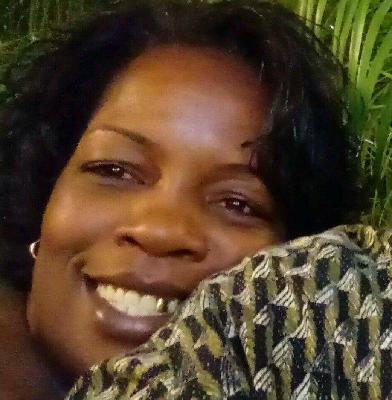
Letha G. Kraus, a 73-year-old White female, and her husband, Dennis, lived a life that appeared quiet and rooted in their Wisconsin community. Letha, born in Kansas, had met Dennis while he was in the Air Force, and they had been married for 54 years. She had built a career as a nurse, retiring in 2010, and enjoyed pastimes like gardening and quilting. Together, they raised two sons and enjoyed traveling, camping, and spending time with their six grandchildren.
Their life, however, came to a sudden and violent end on April 14, 2019, in their home in Grand Chute, a community near Appleton.
On that Sunday, a 911 call was placed by a male who stated he had just killed his grandparents and that the police needed to arrest him. When officers arrived at the Kraus residence, they found a grim scene. Letha and her 74-year-old husband, Dennis, were found deceased in their kitchen from gunshot wounds. An autopsy would later reveal that Letha had been shot once in the arm and twice in the head. Dennis had been shot once in the head. The caller who had confessed to the killings was their 17-year-old grandson, Alexander M. Kraus.
The investigation into the deaths of Letha and Dennis Kraus quickly focused on their grandson. Investigators discovered that Alexander had meticulously planned the murders. He had typed out a multi-page document that detailed his plan to kill his grandparents, which was found in a red folder. While a clear motive was not outlined in the documents, they provided a chilling window into the premeditation of the act. Police also found a book about an executioner in his backpack. At the scene, officers recovered a shotgun with a knife taped to the barrel. Alexander confessed to detectives that he shot his grandfather first and then his grandmother.
Alexander Kraus was arrested and charged with two counts of first-degree intentional homicide. Held on a $2 million bond, his case moved through the legal system. He eventually pleaded guilty to the two homicide charges. However, he also entered a plea of not guilty by reason of mental disease, which led to further legal proceedings to determine his mental state at the time of the killings. A jury later ruled that while he was mentally ill, he was still able to understand that his actions were wrong and could be held criminally responsible. As the legal process continued, there were periods where he was deemed incompetent to stand trial, leading to stays in his criminal case while he received treatment.