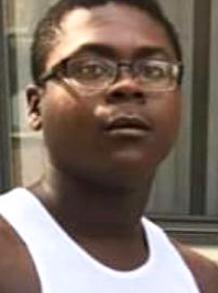
Jojo James, aged 31, was shot and killed on December 24, 2011, in Chicago, Illinois. His death occurred during a year that was marked by a significant number of homicides across the city. On Christmas Eve, James was gunned down in what was part of a broader trend of violence impacting numerous neighborhoods throughout Chicago in 2011. The city struggled with a high homicide rate that year, which was fueled by persistent issues related to gang activity, access to firearms, and socioeconomic challenges that affected many communities.
2011 saw Chicago grappling with spikes in violent crime, particularly concentrated in neighborhoods with ongoing gang conflicts. These areas were heavily impacted by retaliatory shootings and violence tied to territorial disputes. Jojo James' killing took place against this backdrop of systemic violence, which put a considerable strain on both local law enforcement and community efforts aimed at reducing crime. The loss of James was a tragic part of the cumulative homicide statistics that defined 2011, contributing to the city's reputation as one of the more violent urban centers in the United States during that period.
Efforts to address the underlying issues leading to such violence continued through both community interventions and increased policing. However, incidents like the death of Jojo James highlighted the need for more comprehensive and sustained approaches to combat violence and ensure safer neighborhoods for all residents. Despite the heavy toll of homicides that year, there was growing recognition of the importance of addressing the root causes of violence, including poverty, education disparities, and lack of opportunities.