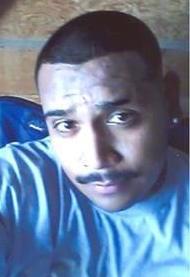
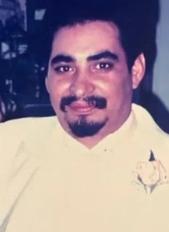
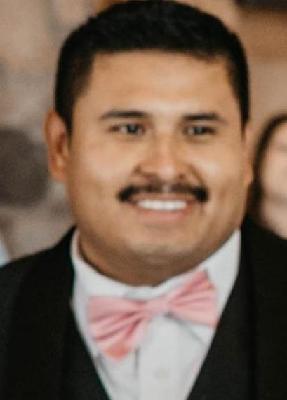
Rocendo Arias, a 23-year-old resident of Yakima, WA, tragically lost his life on January 4, 2014, in an incident involving local law enforcement. Arias was shot and killed by Officer Casey Gillette of the Yakima Police Department at a car wash. According to reports, Officer Gillette approached Arias, who was sitting in his car, because he believed Arias might be impaired. The situation escalated when Gillette noticed Arias holding what appeared to be a gun.
Gillette claimed that Arias lunged towards him, prompting him to open fire. It was later revealed that the gun Arias was holding was an airsoft gun.
The aftermath of the shooting led to significant legal and community responses. The Yakima County Prosecutor's Office conducted an investigation and ultimately cleared Officer Gillette of any wrongdoing, deeming the shooting justified. However, this decision did not sit well with Arias's family and supporters, who believed that the use of lethal force was unnecessary and unjustified. They argued that Arias was asleep in his car and posed no immediate threat. This perspective was supported by a federal civil rights lawsuit filed by Arias's family against Officer Gillette and the city of Yakima. The lawsuit, filed in U.S. District Court, sought unspecified damages and called for changes in how Yakima police officers use and report force against suspects.
The lawsuit highlighted several key points of contention, including the manner in which Officer Gillette approached Arias's vehicle and the decision to use lethal force. The family argued that Gillette should have followed department policy and attempted to wake Arias rather than opening the car door and escalating the situation. Additionally, the lawsuit pointed to inconsistencies in the evidence, suggesting that Arias did not lunge at Gillette as the officer claimed. Despite these arguments, the Yakima Police Department's internal review found no issues with the shooting, and the department stood by its decision to clear Gillette.
The case of Rocendo Arias remains a poignant example of the ongoing debate over police use of force and accountability. While the legal battles have brought some attention to the issue, the family continues to seek justice and advocate for changes in law enforcement practices to prevent similar tragedies in the future.