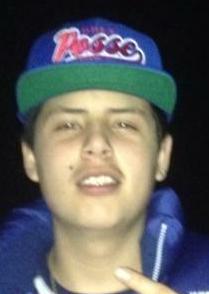
On the night of March 19, 2014, near the corner of 15th Avenue Southwest and Southwest Roxbury Street in White Center, a brief encounter between two groups of teenagers escalated into gunfire. Ruben Castillo, 17, a Hispanic/Latino male, was riding in the back seat of a Honda with friends who had just fueled up at the nearby Texaco station and were heading toward Alki. As the car rolled past a bus stop, shots rang out. Charging papers later described two conflicting strands of the same moment: witnesses and detectives reported that a shot from the Honda struck the wall of the Bartell Drugs, and that an 18-year-old at the bus stop returned fire; one of those rounds tore through the Honda’s taillight, trunk, and seatback, striking Castillo in the back. His friends raced him to the North Highline fire station; medics rushed him to Harborview Medical Center, where he died during surgery.
Within days, King County Sheriff’s detectives arrested Charles Moimoi, an 18-year-old SeaTac resident, and a judge set his bail at $1,000,000. Prosecutors charged him not with murder but with unlawful possession of a firearm, noting he was legally barred from having a gun and emphasizing evidence that the fatal shot was fired while returning fire from the passing car. Investigators said a pistol recovered from Moimoi’s backpack matched the weapon believed to have killed Castillo. Two other teens in the Honda were charged for their roles in the incident: Jose Bedolla-Mendoza, 17, with second-degree assault and unlawful gun possession, and Josue Grados Sanchez, 18, with drive-by shooting. The portrait that emerged in court filings was of a volatile feud between youths that flared in seconds at a bus stop and ended with a life cut short, a community grieving, and a case shaped as much by split-second actions as by the law’s stark line between aggression and self-defense.