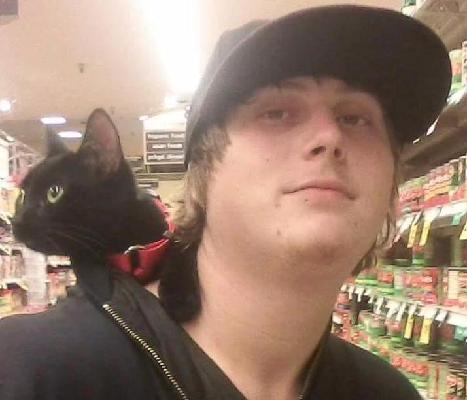
On December 3, 2015, the life of 23-year-old Daniel Miller, a Caucasian male, was tragically cut short in his Fife, Washington home, a residence he was squatting in. He and his 22-year-old fiancée, Charissa Dobbins, were discovered deceased in their living room by a concerned friend who, after receiving no answer at the door, climbed through a window to check on them. The grim discovery of both Miller and Dobbins, each with fatal gunshot wounds to the head, prompted an immediate 911 call and the arrival of Pierce County sheriff's deputies.
The ensuing investigation quickly uncovered a dark narrative rooted in the local drug trade. Miller was known to be a heroin dealer, and this involvement appeared to be the catalyst for the violent events. Detectives learned that Miller had recently accused an acquaintance, 22-year-old Brett Ashdon Dollens, of stealing Percocet pills from him, leading to a heated dispute between the two men. Witnesses reported to investigators that Dollens had spoken of robbing Miller and had even mentioned using a revolver specifically because it would not leave behind shell casings as evidence.
The investigation swiftly pointed toward Dollens as the primary suspect. Evidence suggested the murders were premeditated, and just eight hours after the bodies were found, Dollens posted on Facebook that he had changed his phone number. He was arrested shortly thereafter while driving nearby. During questioning, Dollens offered a version of events in which he went to Miller's home to apologize, claiming Miller produced a gun, and that it discharged multiple times during a physical struggle. However, the Pierce County Medical Examiner's Office found no signs of a struggle or defensive wounds on either victim, and determined both had been shot at close range, contradicting Dollens's account.
Brett Dollens was charged with two counts of first-degree murder for the deaths of Daniel Miller and Charissa Dobbins. He initially pleaded not guilty, and his bail was set at $2 million. Ultimately, he pleaded guilty to first-degree murder and second-degree manslaughter. In November 2016, Dollens was sentenced to 32 years in prison for the slayings, bringing a legal conclusion to a case that highlighted the violent consequences of disputes within the drug world.