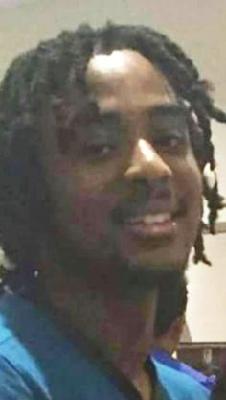
Floyd J. Newell, a 35-year-old man, was fatally shot on May 31, 2012, in Chicago, Illinois. His death came during a year that saw a significant surge in violence across the city, with 2012 ending as one of Chicago’s deadliest years in recent memory. The homicide rate that year reached 506, marking an increase over the previous years of 2011 and 2010, which recorded 435 homicides. This spike was attributed to several factors, including unseasonably warm weather in early 2012 and the disbanding of specialized police units meant to tackle gang violence in hotspots throughout Chicago.
The North and West Sides of Chicago were particularly affected by the increased levels of violence, and Floyd Newell’s death is part of this larger pattern. The city experienced 53 homicides in March 2012 alone—more than double the number from the same month in the previous year—driven by the highest recorded temperatures for March. The reduction in targeted policing units, such as the tactical units designed to suppress gang activity, also played a role in the escalation of violence that swept across neighborhoods, as these units had been instrumental in reducing crime in previous years.
Chicago Police Superintendent Garry McCarthy, who had been appointed in May 2011, opted to shift focus from specialized strike units to community policing, a strategy aimed at fostering better relationships with the local communities but which led to challenges in managing violence during this transition. The situation in 2012, highlighted by the high number of homicides like that of Floyd J. Newell, underscored the ongoing struggle faced by Chicago in balancing proactive law enforcement with community integration efforts to address systemic crime issues effectively.