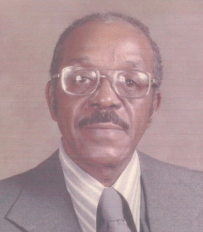
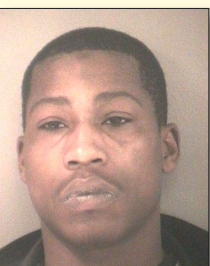
In the winter of 1973, on January 18th, a horrific act of violence shattered the peace of a Washington, D.C. home, leaving a trail of death and devastation. Among the victims was a 23-year-old man named Abdu Nur. The brutal events unfolded at 7700 16th Street NW, a house that had been purchased by basketball star Kareem Abdul-Jabbar for a group of Hanafi Muslims.
This residence was intended to be a place of community and faith, but on that fateful day, it became a scene of unimaginable carnage.
The attack was not a random act of violence but rather the culmination of a bitter feud between the Hanafi Muslims and the Nation of Islam. The leader of the Hanafi group, Hamaas Abdul Khaalis, had openly criticized the leader of the Nation of Islam, Elijah Muhammad, in a series of letters sent to ministers of various mosques. This act of defiance is believed to have been the catalyst for the deadly retaliation that followed. A group of men affiliated with the Black Mafia, a criminal organization with ties to the Nation of Islam, traveled to the Washington, D.C. house with the intent of confronting Khaalis. However, he was not present at the time of the attack.
Inside the home, the assailants unleashed a wave of terror on the occupants. Abdu Nur was shot and killed in a bedroom. He was not the only one to lose his life. Another man and a young boy were also shot to death, while four young children, one as young as nine days old, were drowned. Two other individuals were severely wounded but managed to survive the massacre. The assailants reportedly showed a chilling lack of remorse, even stopping to eat in the house after committing the murders.
In the aftermath of the gruesome killings, an investigation was launched that would lead to the indictment of several men from Philadelphia associated with the Nation of Islam. The subsequent trials were complex and drawn out. While some of the accused were convicted for their roles in the massacre, the legal proceedings were fraught with challenges. One key witness refused to testify, leading to an acquittal for one of the defendants. This witness was later killed in prison. Another defendant was granted a retrial which ended in a mistrial when a survivor of the attack was deemed psychologically unable to testify again. The tragic events of that day left a lasting scar on the community and served as a grim reminder of the deadly consequences of religious and ideological conflict.