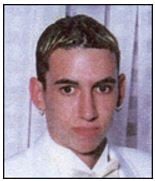
In the pre-dawn hours of May 27, 1996, in Las Vegas, Nevada, the life of 27-year-old Michael Matta was tragically cut short in a senseless act of violence. Matta, a male drywall worker, was rummaging through trash bins in a condominium complex in the 5100 block of Gray Lane when he was brutally shot and killed. His body was discovered riddled with bullets, a grim testament to the extreme violence of the attack.
More than 20 bullet casings were recovered from the scene, an detail that police would later describe as "overkill."
The investigation into Matta's death initially yielded few leads. However, his murder was not an isolated incident. It was later connected to a series of what authorities would term "thrill killings" carried out by three young men: Tony Amati, Troy Sampson, and Edward James. The trio was accused of targeting victims at random. A significant breakthrough in the case came in October 1996 when the three men sold stolen guns to an undercover police officer. Ballistics tests confirmed that these were the weapons used in the slayings, including the one that ended Michael Matta's life. The firearms had been stolen from a local gun store just one day before Matta's murder.
Following the ballistics match, a grand jury indicted Amati, Sampson, and James on November 24, 1996, on multiple charges including murder and attempted murder. However, the legal journey to justice was complex. Charges against Troy Sampson and Edward James were ultimately dropped due to a lack of sufficient evidence. Tony Amati became the sole defendant to face trial for the string of killings. After a period on the run, during which he was featured on "America's Most Wanted" and became the first Nevadan to be placed on the FBI's 10 Most Wanted list, Amati was apprehended on February 27, 1998.
During his trial, the prosecution presented evidence linking Amati to the crime scenes, including DNA evidence from blood found at the scene of another of the murders. Amati was ultimately acquitted of the murder of Michael Matta and another victim, but he was found guilty of a third murder and sentenced to life in prison. The tragic and random nature of Michael Matta's death left a lasting scar on the community, a stark reminder of a string of violence that seemed to have no motive beyond a desire for deadly thrills.