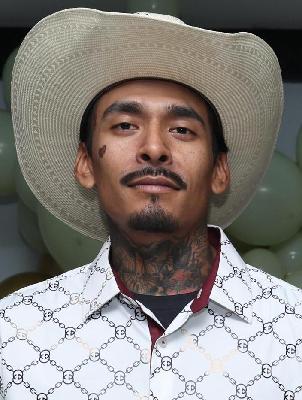
Corie Deshon Williams, an 18-year-old from Chicago, was shot and killed on January 6, 2015. The incident occurred during a particularly violent time for the city, which had seen a significant increase in homicides that year. Corie was found on Chicago's South Side after being fatally shot, and he succumbed to his injuries shortly after emergency responders arrived. The homicide was part of an escalating wave of violence in Chicago in 2015, a year that saw a marked rise in murders and shootings across various neighborhoods, particularly those most affected by economic instability and crime.
Corie's death is listed among the numerous homicides recorded in Chicago during 2015. The data shows that this year was especially challenging for law enforcement, with over 468 homicides reported—an increase from the previous year. This violence was often linked to gang conflicts, retaliatory incidents, and other criminal activity that made neighborhoods like Corie’s particularly dangerous. Despite ongoing efforts by police and community organizations to reduce crime, many cases from that year, including Corie’s, remained unsolved due to a lack of witness cooperation and the pervasive climate of fear in affected communities.
The city of Chicago, particularly in the neighborhoods where Corie lived, faced numerous challenges in preventing violent crimes and addressing their underlying causes. These included poverty, lack of economic opportunities, and strained community relations with law enforcement. His death, like many others, highlighted the urgent need for intervention programs aimed at breaking the cycle of violence and fostering safer community environments.