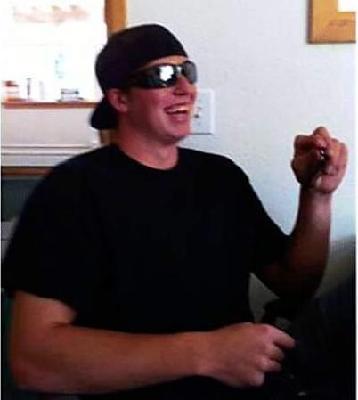
Brett Bean was a 48-year-old male from Snowmass Village, Colorado, who died on December 23, 2017, in the heart of the ski resort community he called home. Public databases and case listings remember him in a few stark lines: his name, his age, his gender, his town, and the date his life ended, with little else about his background or daily routines preserved in official summaries.
He appears in both a homicide and death-by-force tracking database and on the National Gun Violence Memorial, placing him among thousands of people in the United States whose deaths involved a firearm.
In the days surrounding his death, local authorities in Snowmass Village were dealing with two separate, unrelated fatalities in the small mountain town. The Pitkin County coroner and Snowmass Village Police described them publicly as unattended deaths and emphasized that they did not suspect foul play in either case, signaling early on that investigators did not view the events through the lens of murder or assault. One of those deaths was later tied to Bean when local coverage identified him in a headline as the Snowmass man who had taken his own life, a brief but telling phrase that conveyed both the finality of the event and the absence of any outside assailant. His inclusion on a national memorial devoted specifically to victims of gun violence further indicates that whatever happened in those dark, isolated hours involved a firearm, even though the exact setting, sequence of events, and medical details have not been laid out in the public record.
Beyond those basic facts, the trail of official information grows thin. A case summary in an online database notes that despite searches through obituary listings and public records, no detailed narrative of how or where he died has been made readily available, and that the circumstances of his final moments have not been publicly elaborated by authorities. On the same page, his death is categorized under “death by force,” but the description itself acknowledges that this is more a structural label than a reflection of any documented attack, reinforcing the picture of a sudden, violent end without a corresponding criminal storyline. In the broader listing of serious cases from Snowmass Village, the only clearly designated murder victim is a different person, underscoring that Bean’s case has not been treated as an unresolved homicide within those compilations.
Where the official trail runs short, an online memorial picks up the thread in a quieter, more personal register. On the National Gun Violence Memorial page bearing his name, candles have been lit dozens of times over the years, and a small number of comments and tributes have been left by people who knew him or who were simply moved by the fact that another life in a peaceful resort town ended at the wrong end of a gun. The page itself offers almost no biographical detail, but the repetition of gestures—birthday messages, brief spiritual notes, simple promises to “see you on the other side”—suggests the presence of family, friends, or community members still living with unanswered questions that the public record cannot satisfy.
From a criminal-investigation standpoint, however, the story appears to close almost as soon as it begins. Local officials publicly signaled that they did not see signs of foul play around the Snowmass deaths that weekend, and the newspaper headline linking Bean to a self-inflicted death aligns with that stance. There is no indication in accessible records of any named suspect, person of interest, or unresolved manhunt tied to his case, nor any report of an arrest connected to what happened to him. What remains in the public eye is a lean outline: a man in midlife, a winter resort town accustomed to visitors and celebration, a firearm, a brief flurry of official attention, and then a lingering absence marked only by a handful of digital candles and a few lines in databases that record the end of his story without identifying anyone else to blame.