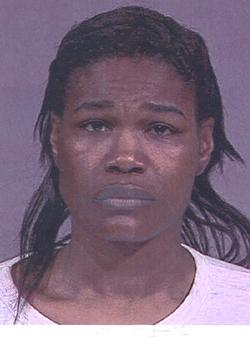
Christine Anne Guthrie, a 32-year-old former bank teller from Portland, Oregon, met her tragic end in a series of events that began on February 23, 1991. On this day, Guthrie attended a party at the apartment of a man named Wes Halbrook, where she encountered John Fautenberry, a man who would later be identified as her killer. Fautenberry had arrived in Portland on February 24, 1991, after a series of travels that included stops in various states, during which he committed several other
murders.
Guthrie and Fautenberry left the party together and traveled to the coastal Silver Sands Motel in Rockaway Beach, Oregon, where they were seen by the hotel owner, Anna Modrell. After spending a few days at the motel, they began their return trip to Portland. It was during this journey that Fautenberry led Guthrie to a secluded wooded area, purportedly to show her something of interest. Here, Fautenberry shot Guthrie three times in the back of the head using a Jennings J 22 pistol. He then stole her bank card and used it to withdraw cash from her account in the following days.
The body of Christine Guthrie was not discovered until April 1, 1991, near the remote logging community of Timber, Oregon. Her death was a result of the gunshot wounds inflicted by Fautenberry.
John Fautenberry, the suspect and later confirmed killer, was a serial murderer with a trail of victims across multiple states. He was described as a man who posed as a hitchhiker or met his victims at truck stops and other public places. Fautenberry's modus operandi involved gaining the trust of his victims before killing and robbing them. His other victims included Donald 'Don' Nutley, Gary Farmer, Joseph Daron, and Jefferson Diffee, among others.
Fautenberry's arrest came on March 16, 1991, in Juneau, Alaska, where he had been working on a fishing boat after fleeing from Oregon. He was apprehended by local police for the murder of Jefferson Diffee, whom he had beaten, handcuffed, and stabbed to death. During his interrogation, Fautenberry confessed to the murders of Guthrie, Nutley, Farmer, Daron, and Diffee, providing detailed descriptions of the wounds inflicted on each victim and the motives behind the killings, which were primarily driven by robbery.
Following his arrest, Fautenberry was transferred to Ohio to face charges related to the murder of Joseph Daron. He was indicted on multiple counts, including aggravated murder and aggravated robbery. In September 1991, Fautenberry pleaded guilty to these charges and was sentenced to death. He was executed by lethal injection on July 14, 2009, at the Southern Ohio Correctional Facility after exhausting all his state and federal appeals.