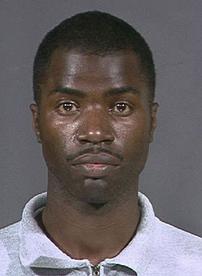
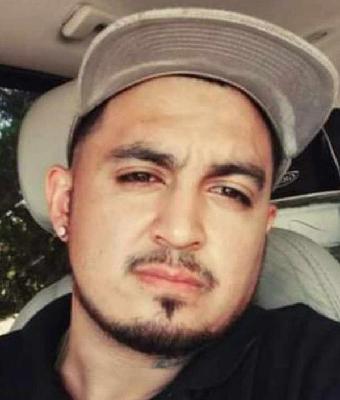
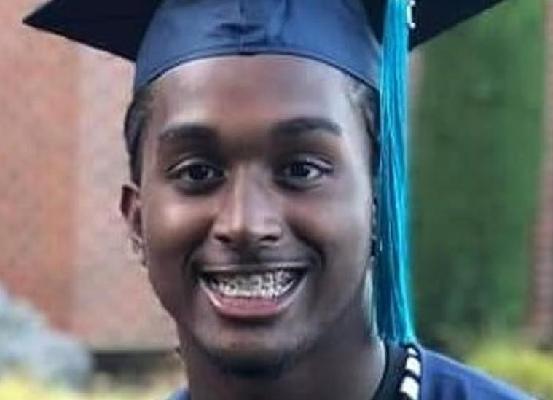
In the summer of 2015, the life of 19-year-old Anthony Quincey Jackson Jr., a Black male, was tragically cut short in Portland, Oregon. On the afternoon of July 12th, gunshots echoed through the parking lot of the Shalamar Apartments on Southeast Powell Boulevard. When police, who were patrolling nearby and heard the shots, arrived at the scene, they found Jackson suffering from life-threatening gunshot wounds to his head and arm.
He was rushed to a local hospital but succumbed to his injuries two days later.
The initial investigation painted a picture of a young man who, according to neighbors, had moved away from a past affiliation with gangs and was employed at the Moda Center. Witnesses at the apartment complex saw Jackson lying between cars in the parking lot immediately after he was shot. Investigators found over a dozen. 45 caliber shell casings at the scene, suggesting a hail of gunfire. The case was quickly classified as a homicide, the city's 20th of the year, and detectives from the Portland Police Bureau's Homicide Detail began the arduous task of piecing together the events of that fatal afternoon.
The investigation revealed that the shooting was not a random act of violence but the culmination of a long-standing dispute. Detectives learned that Jackson had been involved in an ongoing argument with another man, Deandrea Sanders. Just four days after the shooting, law enforcement officers encountered Sanders and found him in possession of a firearm. Forensic testing later confirmed that this was the weapon used to kill Jackson. Another man, Andre Grandy, was identified as the individual who drove Sanders to the apartment complex on the day of the shooting.
In a resolution to the case, Deandrea Sanders pleaded guilty to first-degree manslaughter with a firearm and one count of attempted aggravated murder. In June 2019, he was sentenced to 20 years in prison for his role in Jackson's death. Andre Grandy also pleaded guilty to one count of first-degree manslaughter and was sentenced to 10 years in prison. The sentencing brought a measure of accountability for a life taken too soon, though for Jackson's family, the pain of their loss remains. His mother, Shannon Taloff, expressed in court the profound and lasting impact of her son's murder, stating, 'I never knew what real pain felt like until I had to lay next to my son in a hospital bed and feel his heart stop beating.'