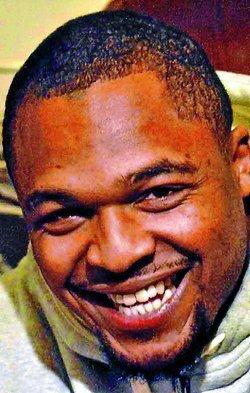
Christopher D’Wan Carey, a 27-year-old Black man from Rand, West Virginia, was killed in a shooting on January 23, 2015, along Starling Drive in Kanawha County. Carey, who was also known by the nickname “Snacks,” was discovered after deputies responded early that morning to what initially appeared to involve an overturned vehicle. Authorities found the vehicle flipped over, with Carey outside it suffering from fatal gunshot wounds. Inside the vehicle was Latisha Crawford, who had also been shot. Crawford suffered wounds to her right leg, right arm and upper torso and was taken to a hospital for treatment.
Investigators quickly determined that the scene was more than a traffic accident. Evidence indicated that multiple firearms had been used, and the shooting triggered a substantial police response in the Rand area. Four nearby schools were closed as a precaution while law enforcement officers searched for whoever had fired the shots.
No arrests were announced immediately, and investigators spent the following weeks working to establish what had happened before Carey and Crawford were found.
As the investigation developed, authorities focused on Gerard Maxwell of Rand, William E. Lyttle of Costa and Todd Hodge of Rand. Police eventually alleged that Maxwell was the person who fired the shots that struck Carey and Crawford outside an apartment in the 5300 block of Starling Drive. Lyttle and Hodge were arrested approximately two months after the shooting, while Maxwell was arrested later in September 2015.
A Kanawha County grand jury subsequently returned charges connected to the shooting. Maxwell was indicted for murder in Carey's death. Maxwell and Lyttle were also charged with attempted murder, malicious wounding and wanton endangerment in connection with the shooting of Crawford. Hodge was charged with being an accessory after the fact to murder. The indictments transformed what had begun as an investigation with no identified assailant into a prosecution involving three men accused of different roles in the violence and its aftermath.
More details about what prosecutors believed happened emerged when Lyttle and Hodge entered plea agreements in November 2015. Lyttle pleaded guilty to felony wanton endangerment, while prosecutors agreed to dismiss the malicious-wounding and attempted-murder charges against him. Hodge pleaded guilty to the misdemeanor offense of accessory after the fact to wanton endangerment, a significant reduction from the accessory-after-the-fact-to-murder charge he originally faced. Both men agreed to cooperate with prosecutors and testify against Maxwell.
During his plea hearing, Lyttle gave an account directly implicating Maxwell as the shooter. He said Maxwell had been having problems with Carey and had given Lyttle a firearm the day before the killing. According to Lyttle, he and Maxwell were inside the Starling Drive apartment with other people when surveillance equipment showed Carey arriving outside in a vehicle. Lyttle told the court that Maxwell opened the door and began shooting, and he said he personally watched Maxwell fire the shots that struck Carey and Crawford. Lyttle also acknowledged firing a gun during the incident, saying he felt pressured to discharge a shot himself.
Hodge admitted to helping dispose of evidence after the gunfire. During his plea proceeding, he told the judge that he threw Lyttle's gun into a river following the shootings. Prosecutors postponed sentencing Lyttle and Hodge at that point because they wanted both men available to testify when Maxwell's case went to trial.
Maxwell initially remained charged with murder, with prosecutors preparing to use the testimony of his alleged accomplices against him. The case ultimately did not result in a murder trial. In February 2016, Maxwell pleaded guilty to the lesser offense of voluntary manslaughter in connection with the fatal Rand shooting, resolving the homicide prosecution without a jury deciding the original murder charge. Later West Virginia court records also identify Maxwell as having a prior felony conviction for voluntary manslaughter, confirming that the prosecution resulted in a manslaughter conviction rather than an acquittal or dismissal.
The investigation therefore produced criminal accountability for all three men authorities connected to the shooting. Maxwell, whom investigators and Lyttle identified as the person who shot Carey and wounded Crawford, was convicted of voluntary manslaughter. Lyttle admitted his participation and was convicted of wanton endangerment after agreeing to cooperate with prosecutors, while Hodge admitted disposing of the firearm and was convicted as an accessory after the fact to wanton endangerment. The evidence developed over the months after the shooting—including Lyttle's eyewitness account, the alleged dispute between Maxwell and Carey, the presence of multiple weapons and Hodge's admission that he disposed of a gun—provided prosecutors with the framework for resolving a case that had begun with Carey lying fatally wounded beside an overturned vehicle and no suspect immediately in custody.