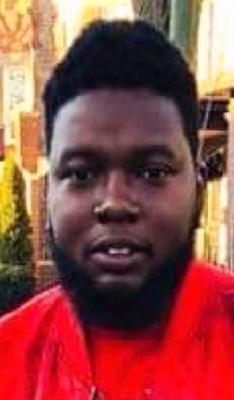
On July 22, 2016, Tabari N. Freeman, aged 20, was killed in Chicago, Illinois. The incident took place during a period when Chicago was grappling with an intense spike in homicides and gun violence, particularly in underserved neighborhoods. Freeman's death was part of a much larger pattern of violence that year, as Chicago recorded one of its highest homicide rates in recent decades, with over 750 people killed throughout 2016.
The homicide occurred during a time of heightened unrest, with gun violence disproportionately affecting young people and communities struggling with systemic poverty and insufficient social services. This pattern of violence was prevalent in neighborhoods characterized by limited economic opportunities and a lack of access to education and community support structures. These factors, combined with the proliferation of illegal firearms, made violence an unfortunately common occurrence in these areas.
The Chicago Police Department faced significant challenges in dealing with the surge of homicides in 2016, with clearance rates remaining low and resources stretched thin. The violence that claimed Freeman's life not only represented a personal tragedy but also highlighted broader issues of safety, inequality, and the pressing need for community-based interventions to mitigate the factors contributing to such incidents. The city struggled to manage the rising number of victims, which placed immense pressure on both law enforcement and community organizations working toward solutions.