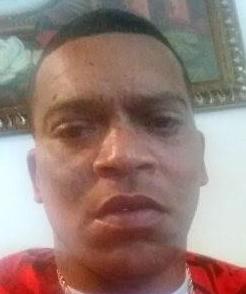
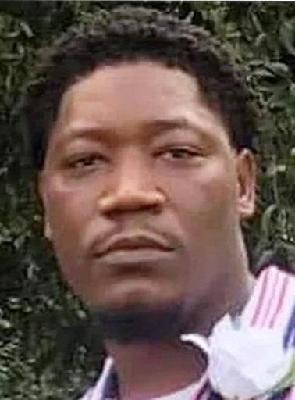
The weekend before Thanksgiving 2020 in Earle, Arkansas, began with relatives gathering at a house on Red Haw Drive, a quiet residential street on the edge of town. In the middle of that ordinary family occasion was Paul Mason, a 19-year-old man whose name would soon be added to the roll of gun violence victims remembered from Crittenden County.
Accounts from investigators and later summaries of the case describe how the gathering turned into a scene of sudden violence.
At some point during the get-together, Paul’s nephew, identified by police as 19-year-old Cordarius Marquise Mason of Earle, produced a firearm and shot his uncle inside or just outside the home on Red Haw Drive. Family members who had come together for a routine weekend visit were suddenly confronted with a fatal shooting among their own kin, and Paul died from his injuries that same day, November 21, 2020.
In the chaotic moments after the gunfire, the alleged shooter did not remain at the scene. Descriptions of the incident note that Cordarius Mason fled, leaving law enforcement to piece together what had happened from shaken witnesses and relatives. The killing was quickly classified as a family homicide, with investigators focusing on the nephew as the primary suspect. Local outlets later summarized how authorities traced the violence back to that single family gathering on Red Haw Drive, where a dispute or tension that has never been publicly detailed ended in Paul’s death.
Crittenden County authorities moved fast once they had identified their suspect. A Facebook post from the sheriff’s office, referenced in local news coverage, announced that a warrant had been issued and that a regional U.S. Marshals Service task force had joined the search. Four days after the shooting, on Wednesday, November 25, officers with that task force located Cordarius Mason in Searcy, Arkansas, far from Earle, and took him into custody. KAIT and other outlets reported that he was arrested on a homicide charge connected to the killing of his uncle at the Earle family gathering.
The arrest in Searcy did not end with the alleged gunman alone. News reports from Memphis and Jonesboro describe how Marshals and local officers also detained his brother, who was accused of hindering apprehension—essentially, of helping Cordarius avoid capture after the shooting. Both brothers were transported back to Crittenden County and booked into the county jail in Marion, where Cordarius was held on the homicide case and his brother awaited proceedings on the hindering charge. Social-media statements from regional stations summarized the situation bluntly: two brothers in jail, one accused of shooting and killing his uncle at a family event.
Paul’s name has since appeared in gun-violence databases and memorial sites that catalog those lost to shootings across the country. The National Gun Violence Memorial lists him among the small but painful roster of fatal shootings in Earle, marking his death on November 21, 2020, and linking back to the news stories about the family gathering, the manhunt, and the arrests. Public reporting accessible today concentrates on those early days—the killing at the Red Haw Drive home and the swift capture of the alleged gunman—while leaving the later path of the case through the courts largely undocumented, freezing the story of Paul Mason at the moment when a family’s ordinary weekend gathering became a permanent loss.