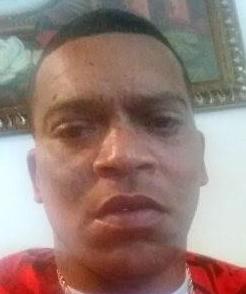
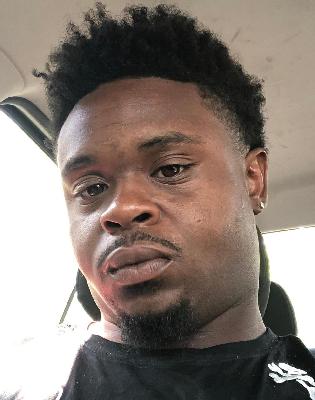
On the night of May 16, 2023, in the city of Earle in Crittenden County, Arkansas, 38-year-old Derrick Lee McKenzie, a Black / African American man, was shot multiple times and left gravely wounded outside a home on Third Street Circle. Neighbors had reported the sharp crack of gunfire just after 11 p.m., drawing law enforcement to the 300 block of the street, where deputies found Derrick suffering from numerous gunshot wounds.
The quiet of the late hour was broken by the arrival of patrol cars and an ambulance as first responders tried to stabilize him.
Despite the severity of his injuries, Derrick was still conscious long enough to speak with deputies. According to investigators, he used those final lucid moments to identify the person he said had shot him, telling the sheriff’s office who was responsible before he was loaded into the waiting ambulance. He was rushed to a medical facility, but the damage from the multiple gunshots was too extensive, and he died at the hospital a short time later, his brief statement becoming a crucial piece of the case.
Investigators quickly focused on the name Derrick had given them: 28-year-old Earle resident Quency Kegler. Based on Derrick’s account and the evidence gathered at the scene, law enforcement obtained warrants for Kegler’s arrest. By the following morning, deputies had tracked him to Railroad Street in Earle. He was taken into custody without incident and booked into the Crittenden County Jail on suspicion of first-degree murder and possession of a firearm by a felon, held as the primary suspect in Derrick’s killing while the case moved forward through the criminal justice system.
Publicly available records and case summaries describe the shooting as a single-victim homicide involving a prohibited person in possession of a firearm, but they do not provide a clear, detailed account of any motive behind the violence or of the ultimate outcome of the court proceedings against Kegler. Beyond the initial arrest and the announced charges, later stages of the prosecution have not been widely documented in accessible online sources, leaving the broader public record focused mainly on the night of the shooting, the emergency response, and the swift identification and arrest of the suspect.
In the days that followed, Derrick’s name began appearing on memorial and fundraising pages rather than just in crime reports. On the National Gun Violence Memorial, relatives and friends lit virtual candles and described him in short tributes as a good, loving, caring person and a hard worker whose absence left a deep void. A cousin organized a GoFundMe campaign from Earle to help the family cover funeral costs, explaining simply that he had been shot and killed and that they were trying to raise enough money to bury him. On crime discussion sites, people wrote about the vigil held in his honor and the way the community gathered around his family after his death, reflecting a small city trying to make sense of a killing that had started as a burst of gunfire on a Tuesday night and ended with a loved one gone, a suspect in jail, and many questions about why it had happened at all.