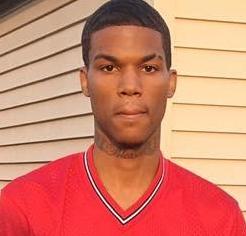
Marcus J. Cameron, aged 22, was shot and killed on January 31, 2017, in Chicago, Illinois. His death came during a period when the city was experiencing a severe crisis of gun violence. In 2017, Chicago saw a slight reduction in homicides compared to the previous year, but the number of violent deaths remained high, with the city continuing to report more homicides than other major cities like New York and Los Angeles combined.
Marcus's death is part of a larger trend of violence in Chicago that year, which followed an alarming surge in homicides in 2016. The University of Chicago Crime Lab analyzed the situation, revealing that gun-related violence, including homicides, increased significantly during this period. This spike was largely driven by systemic issues such as gang activity, easy access to firearms, and socio-economic challenges faced by many communities in the city. The city's efforts to address the surge in violence included data-driven initiatives and community-based programs to try to curb the ongoing crisis, but progress remained difficult in neighborhoods most affected by poverty and disinvestment.
According to data collected by the Chicago Data Portal, incidents like the homicide of Marcus Cameron were part of the numerous cases recorded by the Chicago Police Department through their CLEAR (Citizen Law Enforcement Analysis and Reporting) system. These incidents were indicative of the broader struggle faced by the city in addressing public safety and ensuring the protection of its residents, especially young individuals like Marcus who found themselves caught in the cycle of violence. The systemic nature of the issues, including disparities in resource allocation and ongoing gang conflicts, contributed to a persistently high homicide rate across the city.