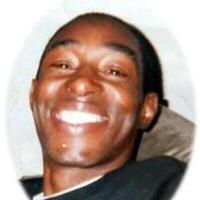
On the morning of June 20, 2012, Grady Maurice Lipsey, a 39-year-old Black male, was found dead beside a house in the 500 block of Cleland Street in Savannah’s Hudson Hill area after a passerby flagged down police. The first official account said officers were stopped just after 8 a.m. by someone who had seen a body lying next to the house, and when they got there they found Lipsey dead from at least one gunshot wound. An obituary published days later identified him as a native of Savannah, adding the human detail that behind the police tape and patrol cars was a man whose death immediately became a loss carried by family and community.
As detectives began working the case, the killing appears to have settled into the grim uncertainty that surrounds many neighborhood shootings: a body discovered in daylight, a residential block suddenly turned into a crime scene, and investigators trying to piece together what happened in the hours before Lipsey was killed. A later Savannah police update described him as having been found beside a relative’s house on Cleland Street and said he had been shot multiple times, suggesting a more violent attack than the brief initial announcement revealed. That same police update showed how the case had lingered, with detectives and Lipsey’s family even meeting with news media in an effort to generate leads and push someone to speak.
What stands out most in the available online reporting is what did not happen afterward. While Savannah-Chatham Metro Police announced arrests in two other west Savannah homicide cases in June 2013, Lipsey’s killing was listed among the remaining unsolved cases. Police said at that point they still needed information to identify the shooter, which indicates that no suspect had been publicly identified and no arrest had been announced in connection with his death in the year after the homicide. In the records located online, there is no report of charges, a trial, or a conviction tied to Lipsey’s killing; instead, the public trail ends with investigators still asking for witnesses and tips, leaving the case with the feel of a life interrupted and justice still out of reach.