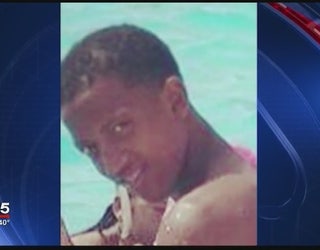
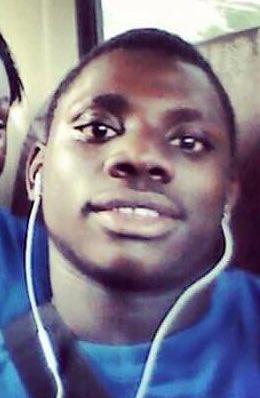
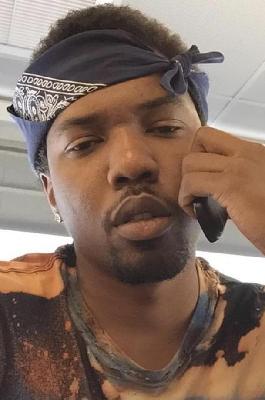
David Deward Richardson, 32, a Black man from Atlanta, Georgia, died on July 16, 2013. What remains in the public record paints the outline of a life that was far fuller than the details available about the way it ended. He was born in Birmingham, Alabama, and grew up in Fort Payne, where he built the early foundations of the person he would become.
He graduated from Fort Payne High School, continued his education at Alabama State University, and eventually made his way to Atlanta, carrying with him the ambitions, relationships, and quiet history that shape an ordinary life into something deeply meaningful.
In Atlanta, Richardson found work in the entertainment industry and served as a special assistant to the R&B group 112, a role that suggests he had earned trust in a fast-moving world that depends heavily on loyalty, organization, and personal connection. It is easy to imagine the rhythm of that life: long days, late nights, constant motion, and the sense of purpose that comes from being close to music, creativity, and people striving to build something larger than themselves. Behind the public facts, there is the unmistakable sense of a man who had made a place for himself, who had traveled from one chapter of life to another, and who was still in the middle of writing his story when it was suddenly brought to an end.
And that is what makes the public silence surrounding his death feel so heavy. The surviving online information confirms the date and preserves pieces of who he was, but it leaves behind very little about the circumstances that led to his death. There is no clear public account explaining how he died, no vivid reporting that reconstructs his final hours, and no detailed narrative that answers the questions left behind for those who knew him and those who later come across his name. That absence has its own sorrow. It leaves the impression of a man remembered most through family, community, and the traces of a life lived, rather than through a public reckoning of what happened to him.
When a death is surrounded by so few public details, the focus naturally shifts from the mechanics of the case to the weight of the loss itself. Richardson was not just a name in an obituary or a line in a record. He was someone’s son, someone’s family, someone woven into the memories of classmates, coworkers, friends, and loved ones. He had a history that stretched from Alabama to Georgia, from school years to professional life, from private dreams to public work. His life held movement, effort, and identity, and that makes the lack of clear public answers feel even more haunting. A person can leave behind a rich human story even when the official story is painfully incomplete.
Based on the online information available, there are no publicly identified suspects, no reported arrests, and no visible court proceedings tied to Richardson’s death. There is no public trail of charges, trials, or convictions that would suggest the case reached a clear legal resolution. That silence leaves his death standing in a difficult place, suspended between remembrance and uncertainty. For the people who loved him, that kind of unanswered ending would have carried its own long shadow, because grief is already hard enough without the burden of not knowing whether justice was ever pursued, found, or denied.
What remains, then, is the memory of David Deward Richardson as a man whose life touched different places and different people before it ended far too soon. Even in the limited public record, there is enough to sense that he mattered deeply, that he built a life with intention, and that his death left behind more questions than answers. His story, as it survives online, is not one of neat conclusions. It is one of promise interrupted, of a family and community left to carry remembrance in the face of uncertainty, and of a life that deserved to be known for more than the unanswered silence that followed its end.