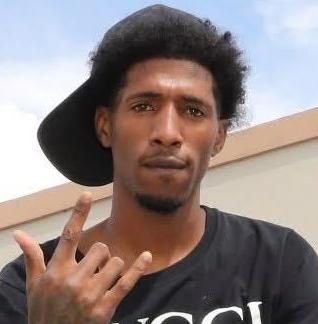
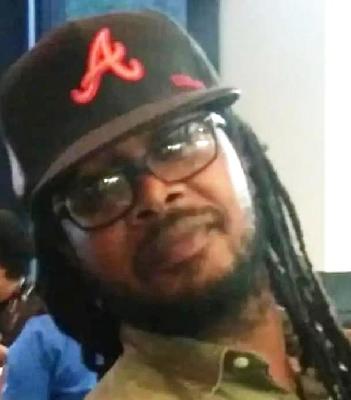
Jabrosky Wooden, a 24-year-old Black man from Atlanta, Georgia, was killed on October 20, 2014, in a shooting that left him dead in the city he called home. Publicly available information on the case is thin, which only adds to the sense of silence that seems to have settled over it. What can be pieced together is that his death was classified as a homicide, and his name has continued to surface in public cold-case listings years later, a sign that the case has remained open in the eyes of law enforcement and the community.
The fragments that do exist suggest a life that ended in violence without the kind of public explanation families often wait years to hear. There are no widely available, detailed press accounts laying out the final hours before he was killed, no expansive retelling of what led to the shooting, and no clear public narrative identifying the person who pulled the trigger. Instead, the case appears to linger in the background of Atlanta’s unsolved homicides, one more name carried forward by databases and police case listings long after the headlines faded.
As for arrests, suspects, or prosecutions, no reliable public reporting located for this synopsis identified a named suspect, announced an arrest, or described charges, a trial, or a conviction in connection with Wooden’s killing. In the absence of that kind of public record, his case reads like many unresolved homicides do: a sudden act of violence, a family left with questions, and an investigation that, at least from what is available online, has not reached a publicly documented resolution. That leaves Jabrosky Wooden’s death not as a closed story, but as an unfinished one, still marked by uncertainty and the long shadow of an unanswered killing.