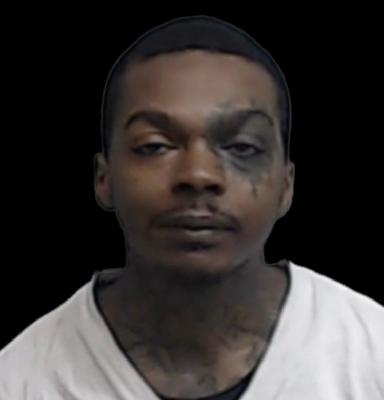
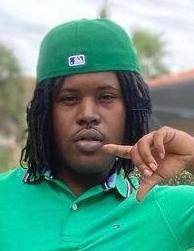
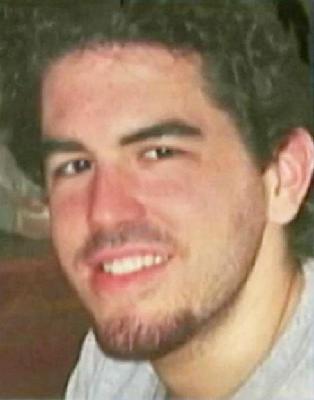
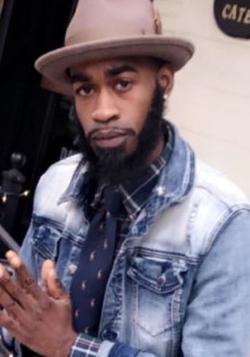
Demontevius Collins, a 22-year-old Black male from the Atlanta area, died on February 12, 2015, and the public record that survives online leaves behind the outline of a life cut off suddenly and a case that never seems to have found a clean ending. His death was memorialized in an obituary published at the time, while later cold-case and homicide databases tied his case to Atlanta and to the Atlanta Police Department. Those records portray a young man whose killing became one more file in the city’s long and difficult ledger of unsolved violence, remembered by name and date but with many of the human details lost to time.
What emerges from the available online reporting is not a full public narrative of his final hours, but the shape of a case that appears to have stalled. The case is listed in online cold-case records as a murder connected to Atlanta Police, and the broader unsolved-homicide databases that include his name indicate that the killing had not been cleared by arrest when those records were compiled. In that sense, the story feels unfinished: Collins is present in the record, but only in fragments, as though the city never stopped moving while his case remained still.
The online sources now available do not show a publicly identified suspect in Demontevius Collins’ killing, and I did not find credible online reporting showing that anyone was arrested, charged, tried, or convicted in connection with his death. That absence is one of the bleakest parts of the story. Years later, his name continues to surface not in coverage of a courtroom reckoning or an arrest announcement, but in the quieter places of the internet where unsolved cases are archived and revisited, suggesting that for all the time that has passed, the central questions of who killed him and why remain publicly unanswered.