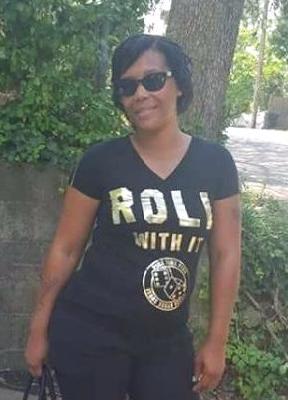
Vonda Howard, a 56-year-old Black woman, was killed in Atlanta on November 30, 2015, in a case that has lingered for years without resolution. The public record places the homicide at 415 Kildare Avenue NW, and the case was handled by the Atlanta Police Department. What survives in the available reporting is stark and spare: a name, a date, an address, and the blunt classification of murder. The official and database summaries do not fill in the ordinary human details that usually give shape to a life or even the final hours of one. Instead, her death appears in the record almost like a fragment, a life cut off and preserved in only the thinnest outline.
That thinness is part of what makes the case feel so haunting. The known facts do not publicly describe how Howard was killed, what led investigators to the scene, or what may have happened in the moments before her death. There is no detailed narrative in the available online reporting of witnesses, a confrontation, or a sequence of events. The case has been listed as unsolved, and the limited public information suggests that the investigation never ripened into the kind of breakthrough that brings a grieving family answers or gives a community a clear account of what happened.
As for suspects, the available records identify none by name. The suspect field associated with the case is listed as unknown, and there is no public indication in the sources reviewed of an arrest, a charging decision, a prosecution, or a conviction connected to Howard’s killing. There is also no sign in the online material of a trial or any later courtroom development that changed the case’s status. Years later, it remains one of those Atlanta homicides that sit in the background of the city’s history, remembered in databases and cold-case listings more than in headlines, with the central question still unanswered: who killed Vonda Howard and why.