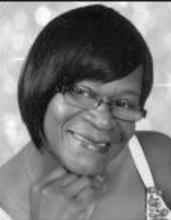
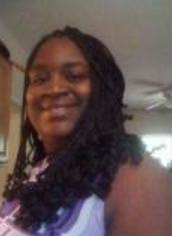
On a July morning in 2024, Shashonna Tiffany Angel Bellman, an 18-year-old Black / African American woman from Wadmalaw Island, South Carolina, was at home on Boy Scout Road when the quiet of the island was broken by gunfire. In the moments that followed, the small house in the 2700 block filled with urgency: a bystander started CPR on the unresponsive teenager as word of a shooting brought emergency vehicles racing down the rural road.
Deputies from the Charleston County Sheriff's Office arrived just after 8:30 a.m. to find her inside the home, gravely injured. Fire and EMS crews soon pronounced her dead at the scene, and the Charleston County Coroner later confirmed that she had died from a gunshot wound at about 8:39 that morning.
The house quickly became a crime scene. Investigators from the Sheriff's Office Criminal Investigations Division and the Forensic Services Unit joined coroner's staff on Boy Scout Road, documenting the interior and exterior of the home where the teenager's life had ended so suddenly. What had begun publicly as an investigation into “a death” on Wadmalaw Island was soon described by local media as a deadly shooting, and her name was released the next day by Charleston County Coroner Bobbi Jo O'Neal. Even then, the coroner listed the manner of death as “pending,” indicating that officials were still working to determine exactly how and under what circumstances the shooting occurred. From the outset, authorities were clear about one thing: there had been no arrests, and the case was active and ongoing.
Beyond the yellow tape and official statements, Shashonna's death was recorded in the broader landscape of American gun violence. A national memorial site added her to its roll of victims, noting that she had been lost to gun violence on July 24, 2024, in Wadmalaw Island, South Carolina, and linking her name to local news coverage and funeral announcements. Her entry sits alongside other fatal shootings from the same small community, a stark reminder that the island's isolation has not shielded it from lethal gunfire.
In the days that followed, the focus on Boy Scout Road shifted to church sanctuaries and funeral homes as her family prepared to lay her to rest. Pasley's Mortuary announced her passing and detailed the arrangements: a visitation on Sunday, August 4, where family and friends would gather at the Charleston funeral home, followed the next day by a celebration of life at the Royal Missionary Baptist Life and Banquet Center in North Charleston. After the service on August 5, the procession made its way back toward the marshes and fields of Wadmalaw Island, where she was interred at Salem Baptist Church Cemetery on Harts Bluff Road. Online obituary notices on sites like the Charleston Post & Courier and Echovita echoed the same dates and places, inviting mourners to share memories, light candles, and plant trees in her honor.
Hints of who she had been in life are scattered through records and tributes. Nearly a decade before her death, her name appeared in the obituary of Anthony “Antcee” Jenkins as one of his grandchildren, placing her within an extended Wadmalaw family whose lives had already been touched by loss. On a South Carolina high school track and field site, a profile lists “ShaShonna Bellman” as a St. Johns High School athlete from the Class of 2024, based in nearby Johns Island, suggesting that she had spent her high-school years running races and representing her school just months before her death. In an online guestbook attached to her obituary, a schoolmate wrote about seeing her at school one last time when she came to say goodbye, a brief, ordinary moment of teenage life that took on painful weight once she was gone.
Even as loved ones gathered to remember her at church and in online memorials, the questions surrounding what happened inside the Boy Scout Road home remained unanswered. Official releases and news reports consistently noted that no one had been taken into custody and that investigators were still piecing together the circumstances of the shooting. The Sheriff's Office repeatedly asked anyone with information to come forward, underscoring the sense that crucial details were still missing and that the case had not yet reached the point of named suspects, charges, trials, or convictions. As time passes, Shashonna's story continues to live in two parallel forms: as a portrait of a young island student whose life touched family, classmates, and church communities across the Lowcountry, and as an open case file, still waiting for the piece of information that could explain exactly how and why her life ended on that summer morning.