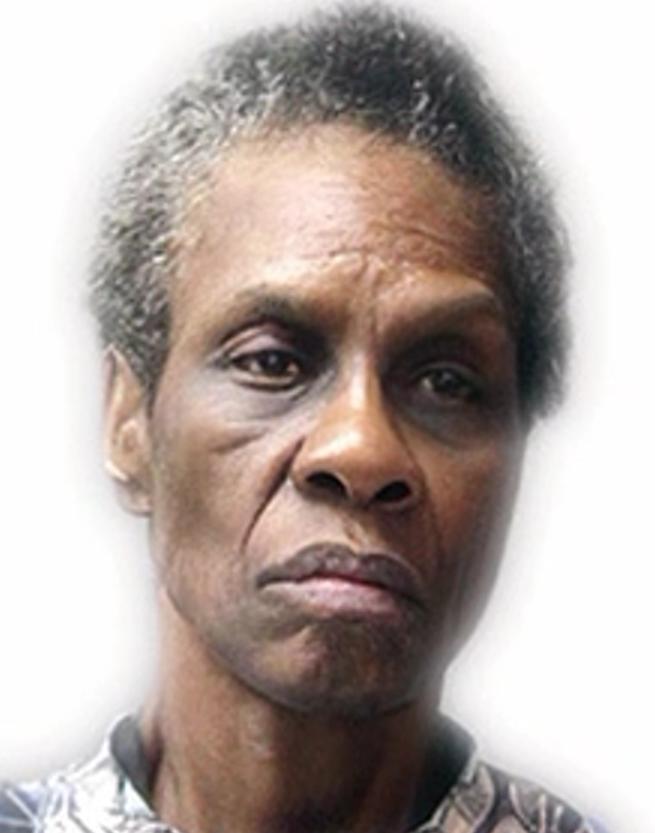
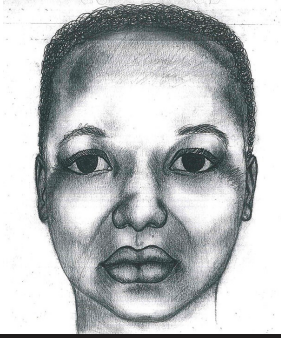
Do you know who murdered Eileen Kelly? In the winter of 1974, a young woman's life was tragically cut short, leaving a mystery that has lingered for decades. Eighteen-year-old Eileen Marie Kelly, a recent high school graduate with a new secretarial job at the Department of Justice, had her whole future ahead of her. On December 13, she left her office with plans to meet her father to look at a new car she was excited to buy. However, she never arrived, and a shadow of concern fell over her family when she failed to return home.
For nine agonizing days, her family and friends waited and searched, clinging to hope. That hope was shattered on December 22, when her partially clothed body was discovered in a lot in Northeast Washington, D.C. An autopsy would later reveal that she had been raped and strangled.
The medical examiner determined that she had been deceased for only 24 to 36 hours before being found, suggesting the harrowing possibility that she had been held captive for several days before her life was taken.
The investigation into Eileen Kelly's murder began immediately, but leads were scarce, and the case eventually grew cold. Over the years, advancements in forensic science have prompted investigators to revisit the evidence, hoping that modern DNA technology could finally point to her killer. At one point, a new theory emerged among cold case detectives, suggesting that perhaps she knew her attacker and that her death may have been the result of a consensual encounter that turned violent. This theory led investigators to re-examine her circle of friends, but no definitive answers were found.
As of today, Eileen Kelly's murder remains unsolved, a painful open wound for her surviving family and community. There have been no arrests, and no suspects have been publicly named. The Metropolitan Police Department continues to list her case among its unsolved homicides, with a reward offered for any information that could lead to the arrest and conviction of the person or persons responsible for her death. The passage of time has not diminished the hope for justice, a final answer to a question that has haunted the city for over four decades.