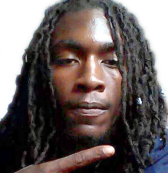
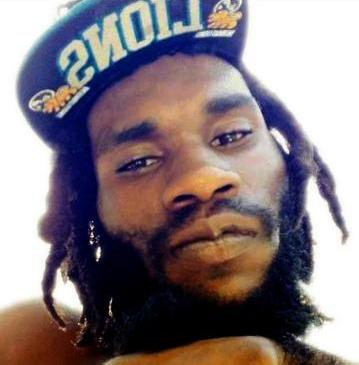
Do you know who murdered Broderick Brown? Broderick Brown, a 22-year-old African-American male from Washington, D.C., stepped into the afternoon of Thursday, July 8, 2004, as a beloved son, grandson, and sibling, unaware that the day would be his last. The obituary that followed his death described him as the cherished child of Goldie Jones and Broderick Brown Sr., with grandparents Jeanette and Collin Jones, one brother, four sisters, and a wide circle of relatives and friends left to mourn him.
His life, rooted in family and community, came to an abrupt and violent end that summer day, leaving a space in his family that no service or memorial could fill.
That afternoon, around 3:00 p.m., Brown was in the rear alley behind 119 Division Avenue NE, in the Northeast quadrant of Washington, D.C.—a residential area where alleys often function as small shared spaces and informal walkways. It was broad daylight, at a time when people were usually out and about, when he was shot and left fatally wounded in that alley. Responding officers and emergency responders arrived, but the injuries he suffered were so severe that he was pronounced dead at the scene. Official descriptions of the case emphasize the stark simplicity of what is known: the location, the time, and the fact that he was shot to death in that alleyway, with little publicly disclosed about what led him there or what confrontation might have unfolded in those final moments.
From the beginning, the Metropolitan Police Department treated Brown's killing as a homicide and assigned it to the Violent Crimes Branch. Flyers and public notices were issued, laying out the basics of the case and asking anyone with information to come forward. The department offered a reward of up to $25,000 for information leading to the arrest and conviction of whoever was responsible, underscoring both the seriousness of the investigation and the lack of solid leads strong enough to bring someone into custody. Brown's name later appeared on the city's list of “Major Case/Unsolved Homicides” for 2004, placing his death among those cases that remained open and unresolved despite investigative efforts.
Over the years, Brown's case has continued to circulate on cold-case and crime-solving websites, where it is consistently described as unsolved. Online case summaries note his age, the alley on Division Avenue, and the mid-afternoon timing, and they echo the police department's appeals for public assistance. Community-focused platforms host forum posts from people reflecting on the tragedy, expressing sorrow for a family that has had to carry their grief for decades without answers. These sources make no mention of any suspect being identified by name, nor do they report any arrest or charges connected to his killing; instead, they highlight that, even though the murder happened in daylight in a populated neighborhood, the circumstances remain “shrouded in mystery.” Taken together, the public record paints the picture of a young life cut short in an open alley on a summer afternoon, and an investigation that, to this day, has not delivered the justice his family and community still wait for.