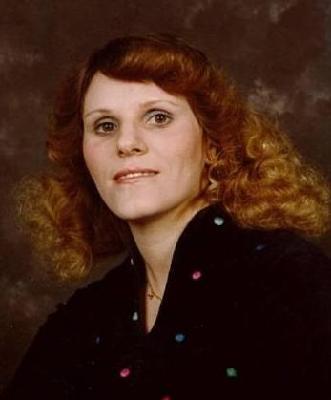
Rachel Noel Sapohoors Johnson, 36, a White woman, was killed on November 21, 2015, inside her family’s home in Fort Washakie on the Wind River Indian Reservation in Wyoming. Investigators said the violence erupted during a domestic fight that spiraled into a shooting, leaving the home—normally a place of routine and noise—suddenly marked by a single, irreversible act.
Federal authorities identified her husband, Koby Dean Johnson, as the shooter and moved quickly to bring the case into federal court because the killing occurred on the reservation. In the first accounts filed with the court, investigators said the argument centered on pain medication, and that Rachel’s husband was angry during the dispute. According to an FBI agent’s statements relayed in court documents, children in the home witnessed critical moments: three of the couple’s children were reported to have seen him shoot her while pinning her down on the bedroom floor.
After the shooting, prosecutors charged Koby Dean Johnson with first-degree murder. A federal judge found probable cause for the charge, and he was ordered held in custody as the case advanced toward trial. Investigators also described a longer pattern behind the final confrontation, with court records reflecting that some of the children told authorities their parents had a history of fights tied to allegations that he was taking her pain medication.
The case culminated in a federal jury trial in Casper in June 2016. Prosecutors presented the killing as an intentional murder carried out with a firearm, and the jury returned guilty verdicts: first-degree murder, plus a separate firearm-related conviction for causing death through the use of a firearm. The courtroom outcome meant the question of “who did it” was no longer in doubt in the eyes of the court; the remaining question was how the law would weigh the punishment for a killing that unfolded in front of the family’s children.
On August 26, 2016, U.S. District Judge Scott W. Skavdahl sentenced Koby Dean Johnson to life imprisonment on both counts, ordered to be served consecutively—two life terms, back-to-back—along with a fine and special assessment. With that sentence, the legal process fixed the narrative of the case into the record: the husband was the sole suspect identified by prosecutors, the only person arrested, and ultimately the one convicted and sentenced for Rachel Noel Sapohoors Johnson’s death.