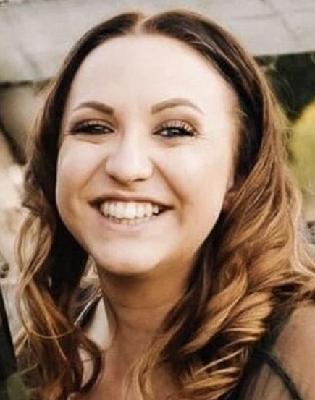
Whitney Nicole Sewell, 29, was found dead inside her home in Rock Springs, Wyoming, on December 16, 2019, after police were called that morning about a possible dead body. Officers arrived and discovered the bodies of Whitney and her husband, Hunter Jeremy Sewell, inside the residence on the 100 block of Sherman Street, turning a quiet winter day into a sealed-off scene of flashing lights, hushed voices, and unanswered questions.
In the first hours and days, investigators focused on what they could say with confidence: the case was active, and there was no indication of an immediate threat to the public. Authorities publicly identified the couple the next day, but withheld the cause while detectives worked through the details—what happened inside the home, what the timeline looked like, and whether anyone else could have been involved.
Weeks later, officials said the evidence led to a grim conclusion. The deaths were ruled a murder-suicide, with Whitney dying from a gunshot wound as a homicide and Hunter dying from a self-inflicted gunshot wound. The determination, authorities said, was made in conjunction with the Sweetwater County Coroner's Office, and investigators stated they were not considering any other people as suspects. There were no arrests, because the only named suspect was already dead at the scene.
To people who knew her outside that house, the official findings clashed with the version of Whitney they carried in their minds. Her obituary remembered a Rock Springs woman who grew up locally, graduated from Rock Springs High School, earned an associate degree from Western Wyoming Community College, and poured years into her work at Santa Fe Southwest Grill. Friends and family described her as someone who loved planning gatherings and holidays, who kept a camera close, who adored her dogs, and who made rooms feel brighter simply by walking into them.
As the community mourned, those closest to Whitney tried to make meaning out of what they could not fully know. Her family spoke later about wanting her remembered for her energy and loyalty rather than for the way she died, and they pointed to the kinds of harm that don't always leave visible bruises—emotional control, isolation, and fear that can build quietly behind closed doors. In 2020, a run/walk held in her name was organized to raise awareness about domestic violence and to push the message her family wanted others to hear: even when danger doesn't look obvious from the outside, help exists, and reaching out can save a life.